
Our Editorial Premise
Development isn’t exclusively about roads, electricity, manufacturing and investment. It is also about the preservation, production and commercialisation of culture. Music is one of Kenya’s most powerful cultural assets and potential exports.
Every week, we discover the artists, sounds and stories shaping our cultural identity.
Once in a while, a record arrives that makes you stop mixing in your head and simply listen. Yeyo by Ochiko featuring Coster Ojwang is that record, and it carries me back to the Benga years, when Kenya produced voices with timbre, voices that poured like warm sticky toffee, with a cadence no studio trick could counterfeit.
I first listened to this song earlier this week, more than three years after its release, and it caught me completely by surprise.

Ochiko opens the conversation in English and then lets Dholuo take the room, and the handoff feels seamless because the Luo artists of this generation understand that their language already sings, with a suave fluidity that needs only space to breathe. His authenticity reminds me of Victony, an artist who never sounds like he is performing sincerity because he simply carries it. You can hear something of his journey in the song, from his Luo Nyanza roots and the move from Mbita to Mombasa after high school, to the way Arabic influences and Swahili sensibilities meet in his layered sound.
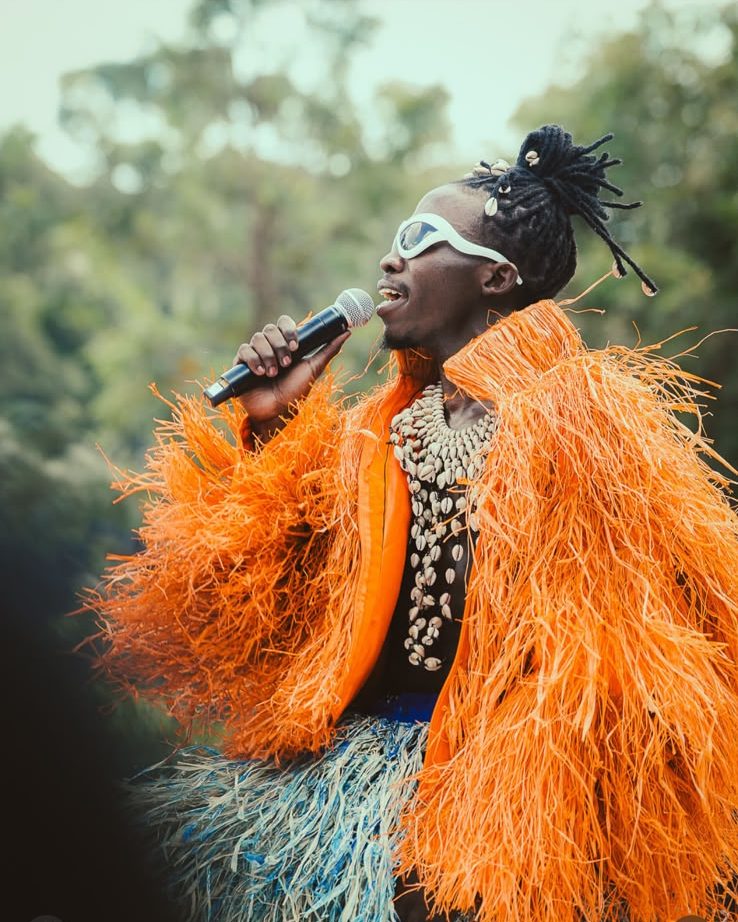
Yeyo is an intimate meditation on love and release, on learning to open the hand and let the person you love walk free. The wisdom of the song is that this comes from strength and not from an inability to love again, because letting go is sometimes the most generous thing love can do.
Coster Ojwang brings it home with roundness and vibra, and here the song gives up its secret, because the magic of Yeyo lives in vocal friction. Ochiko’s smoother delivery acts as the perfect foil to Coster’s explosive falsetto and raw culturally rooted vibra. The two voices rub against each other the way flint meets steel, throwing a spark that no amount of polish could manufacture.
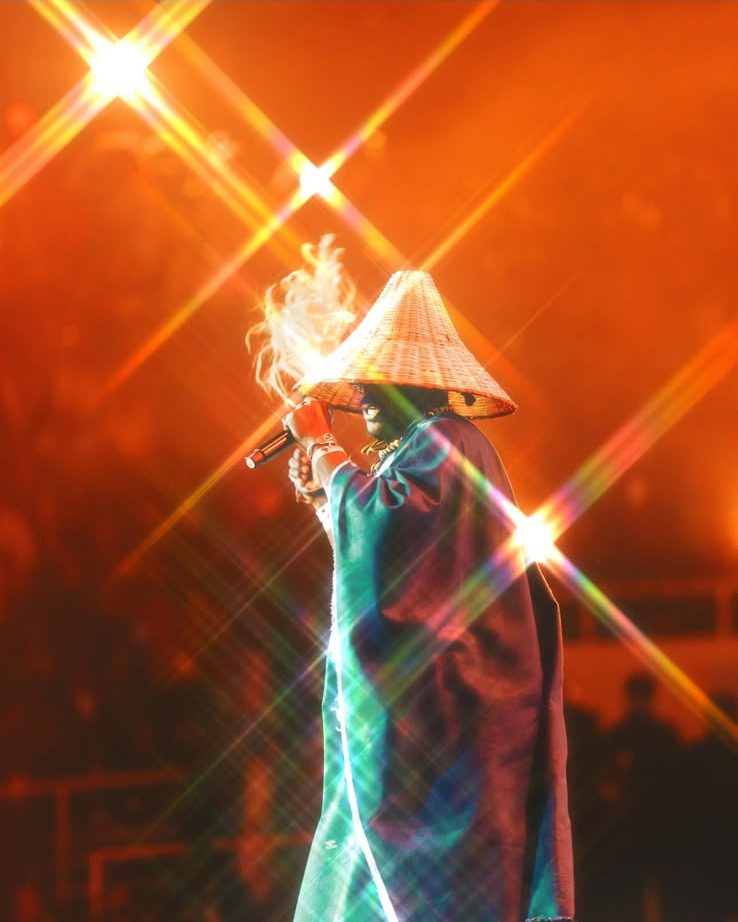
Within the Benga, Lingala, Soukous and Rumba Congolaise tradition this vibra is spoken of as vocal flexion or vocal coloration, a rapid micro oscillation at the end of a phrase that gives the line a warm, undulating bounce, and Western music would place it somewhere between a vocal trill and a tremolo. That shimmer at the tail of the phrase is where the Benga inheritance lives, and Coster carries it like someone born inside it.
Ochiko, too, was born inside a musical family where his father, Mordecai Odongo, a Benga and Rumba musician, and his mother, who also sang, significantly influenced his artistry.
I listen for the moment a song stops being an arrangement and becomes a presence. Yeyo has that moment, and it comes from a decision many producers lack the nerve to make, which is to let two textures stand side by side without sanding either one down. Nothing is overworked, the colour is real, and the intimacy is left intact, which is rarer than people would dare to admit.
This is a remarkable expression of the renaissance Kenyan music is living through right now, full of colour, sincerity and tenderness, and a true example of what happens when artistry, culture, roots and authenticity share the same stage. Yet art, for all its ethereal grace, still lives in the physical world. Art requires soil to take root and structure to stand tall.
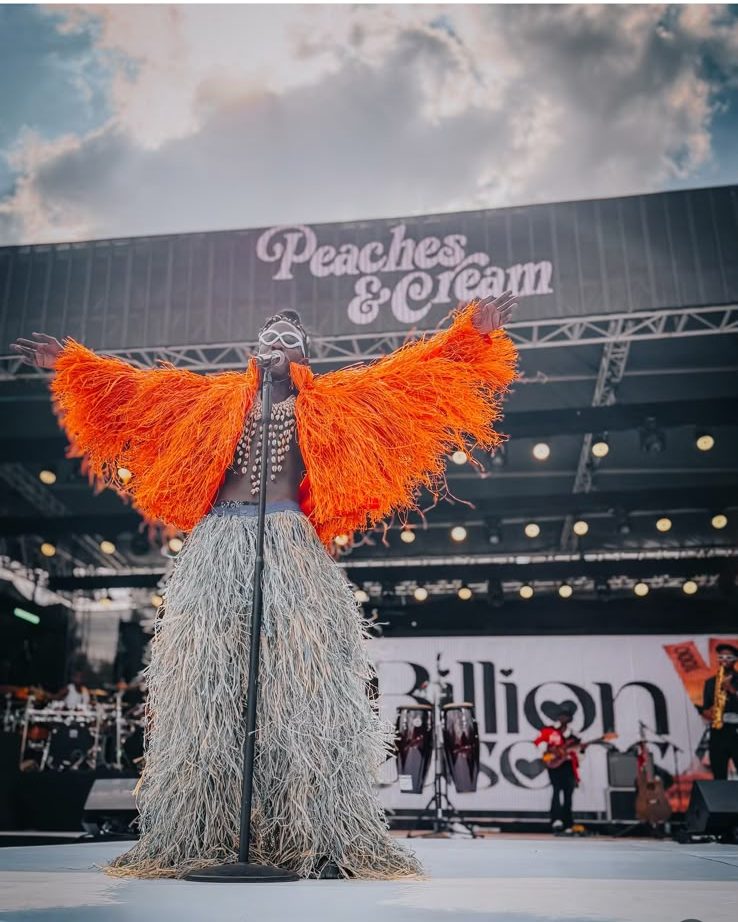
As the last notes of Yeyo fade out and leave us lingering in that warmth. We are left wondering what it takes to build a lasting house around the music we love.
What would it take for Kenyan music to become the first choice of Kenyan audiences, a stronger force in our own economy, and a sound recognised around the world? Is it greater local radio and streaming exposure, stronger investment in artists and production, better protection of intellectual property, or a more deliberate effort to build an audience for our own sound?
At Uratibu, we would like to hear your perspective.
Oriti.