
How a weathered carbonatite on the Kwale coast tests whether geological wealth can be turned into national wealth, with the geology, beneficiation, international tax, tailings, sovereignty and the sacred status of the hill read together.
The argument in brief
The grade of a deposit is not the most important value it holds, and the measure of Mrima Hill will be what Kenya builds after the ore is identified. A mineral’s value depends far less on what lies in the ground than on the decisions taken about who extracts it, who processes it, who is consulted and where the proceeds go. The public record shows where those decisions will be made, because each gate between the preferred bidder notice and the first tonne of ore is also a gate that can widen or narrow what Kenya keeps.
- The geology is real and unusually helpful. A carbonatite weathered under equatorial rainfall undergoes supergene enrichment, which concentrates rare earth elements and metals such as niobium into a soft near-surface cap. At that cap the reported grade of 4.4% total rare earth oxides makes Mrima a geological peer of the better carbonatite deposits, although that figure is reported and unaudited.
- The headline numbers describe contained metal and not saleable product. About 2.1 million tonnes of contained rare earth oxides and about 82,000 tonnes of contained niobium oxide are arithmetic on reported tonnage and grade, and no recoverable or saleable figure exists yet.
- The process is early. On 19 November 2026 the Ministry of Mining issued a notification of intention to award, which is a preferred bidder signal and carries none of the rights of a licence, and RareX has said it will file a procurement complaint by 10 December.
- The hill is sacred and protected. The statutory consent mechanism is contractual and compensatory, whereas the question of whether the national monument and forest reserve can coexist with any extraction is unresolved and could decide whether the project is viable at all.
- Kwale has already shown what a mine without a legacy looks like. Titanium and zirconium earned real revenue for eleven years and left infrastructure and skills behind, yet no processing industry, no endowment and a community royalty channel that was only gazetted in January 2026.
- The value sits downstream. China holds about 60% of mined magnet rare earths, 91% of the world’s refining capacity and 94% of sintered permanent magnet production, so the stages where Kenya could gain the most bargaining power are the ones it would have to build at home.
- Beneficiation is the technical heart of the sovereignty question. In extractives language beneficiation begins with the physical upgrading of ore into concentrate and continues through chemical conversion and separation, and each step Kenya adds anchors skills, substance and taxable profit, provided the licence names the steps and prices them at arm’s length.
- International tax decides how much of the beneficiated value Kenya actually taxes. Royalty valuation of products that have no liquid price, related-party offtake, upstream sales of the licence holder, debt financing and incentive design can each move value offshore, and Kenya’s minimum top-up tax, advance pricing agreements and indirect transfer rules give it new tools to hold it.
- Tailings are a second ore body. Bayan Obo reportedly stored more than 150 million tonnes of tailings carrying rare earths, niobium, scandium and thorium that early flowsheets ignored, so Mrima’s tailings should be designed as a segregated, assayed and state-owned register from the first day.
- The institutions now exist but their design will decide the outcome. The National Infrastructure Fund and the Sovereign Wealth Fund are in law, and Norway’s lasting lesson is the discipline of a rule on withdrawals more than the oil itself.
The national question
A hill on the Kwale coast, about 70 kilometres from Mombasa, has been studied by geologists since the early 1950s and revered by Digo and Mijikenda elders for far longer, and the people who feel the consequences of what happens to it first are the elder who keeps a Kaya, the farmer who holds land at its foot without a title deed, the community trust formed in 2025 to be heard, the bidder waiting to learn whether a notice becomes a licence and the Treasury counting what a mine might one day leave behind, whereas the investor feels it last.
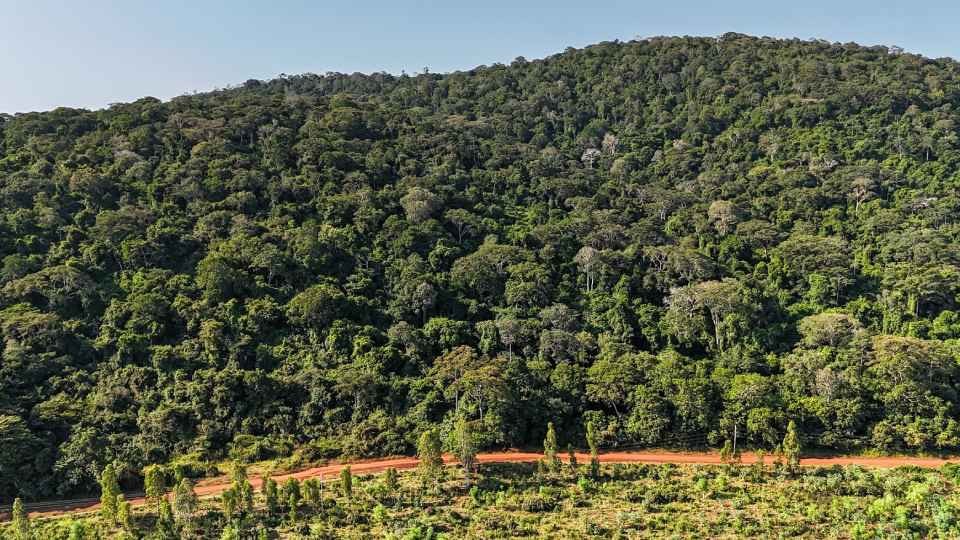
The Ministry of Mining has named a consortium led by Frontier Minerals LLC, a United States-led group, as the preferred bidder for the Mrima Hill niobium, rare earth elements and other minerals project. The real subject of this paper is bigger than a tender or a deposit. Confidence in a deposit is only the first half of a development story and is worth most when it is converted into skills, processing capacity, community ownership, savings and tax revenue that outlast the mine.
The central question is therefore whether Mrima Hill will create lasting economic participation for Kenyans and not only whether it will attract investment. The analysis draws on the preferred bidder notice and the RareX disclosures, the geological literature and public records on the hill, the Mining Act 2016, the International Energy Agency’s rare earth analysis, the Norwegian Ministry of Finance’s fund documents, and company and press reporting on Base Titanium. It follows the project from geology and resource through value chain, beneficiation, international tax, tailings, law and community to fiscal design. Evidence grades, sources and the working behind every derived figure sit in Annexes A and B at the end, so that the argument can be read without interruption.
The process and where it stands
Public conversation has sometimes treated the matter as settled, and the facts are more modest and more interesting. The notification of intention to award is a step in a tender, and the instrument at stake is a prospecting licence, which under the Mining Act 2016 permits exploration and does not permit mining or processing.
| Term | Position |
|---|---|
| Procuring authority | Ministry of Mining, State Department for Mining |
| Preferred bidder | Consortium led by Frontier Minerals LLC, with Bunker Hill Mining Corp, ReElement Technologies and American Resources Corporation |
| Runner-up | RareX and Iluka consortium, ranked second of three shortlisted groups |
| Bids received | Five tenders submitted on 21 October 2026 |
| Notification | Notification of intention to award issued on 19 November 2026 |
| Instrument | Prospecting licence, which confers exploration rights only |
| Challenge | RareX has said it will file a procurement complaint by 10 December 2026 and seek a debriefing by 26 November, alleging that Frontier’s expression of interest was late against Gazette Notice 4263 of 24 March 2026, an allegation that has not been tested |
| Stated processing intent | Frontier says it will refine in Kenya using ReElement technology, whereas RareX proposed a carbonate separated at Iluka’s Eneabba refinery in Western Australia |
| Court | A petition seeking suspension of the Kenya and United States agreement was filed at the High Court in Kwale on 22 June 2026, and its outcome was not found |
| Mining stage | A mining licence needs a feasibility study, a community development agreement and compensation, and is years away |
The terminology matters. RareX’s step is a procurement complaint, since no appeal can be lodged against an award that has not been confirmed, and the Minister has described an award of this kind as a gateway to partnership and compliance and not permission to break ground.
Three numbers that are often confused
Coverage of Mrima Hill mixes figures that describe very different things, and separating them is the first step in judging what Kenya stands to gain.
| Measure | Approximate size | What it represents |
|---|---|---|
| Headline valuation | KSh7.2 trillion, or about 62.4 billion dollars, reported in 2022 | Historic prices applied to in-ground metal, with no development cost, no operating cost and no indication of Kenya’s share |
| Contained rare earth oxides | About 2.1 million tonnes | Reported indicated resource of 48.7 million tonnes at 4.4%, which is a geological quantity and an unaudited figure |
| Contained niobium oxide | About 82,000 tonnes | Reported 5.8 million tonnes at 1.41%, with the same qualification |
| Tailings and by-products | No figure available | Unrecovered metal in residue streams, with Bayan Obo showing how large this can become when it is not planned for |
| Recoverable and saleable product | No figure available | Depends on metallurgy, cut-off grade, recovery, processing cost and price, and can only come from study |
None of these is revenue to Kenya. The reported resource comes from government tender documentation as described by a secondary source, and its classification, reporting standard and underlying geological report are yet to be checked against the primary documents. A strict reader should hold three quantities apart, which are the geological resource, the recoverable resource or reserve that an appropriate study would define, and the saleable product that remains after mining, beneficiation, separation and processing. Each is smaller than the one before it.
The geology and why it works for Kenya
A short history of a hill that attracts exploration and resists extraction
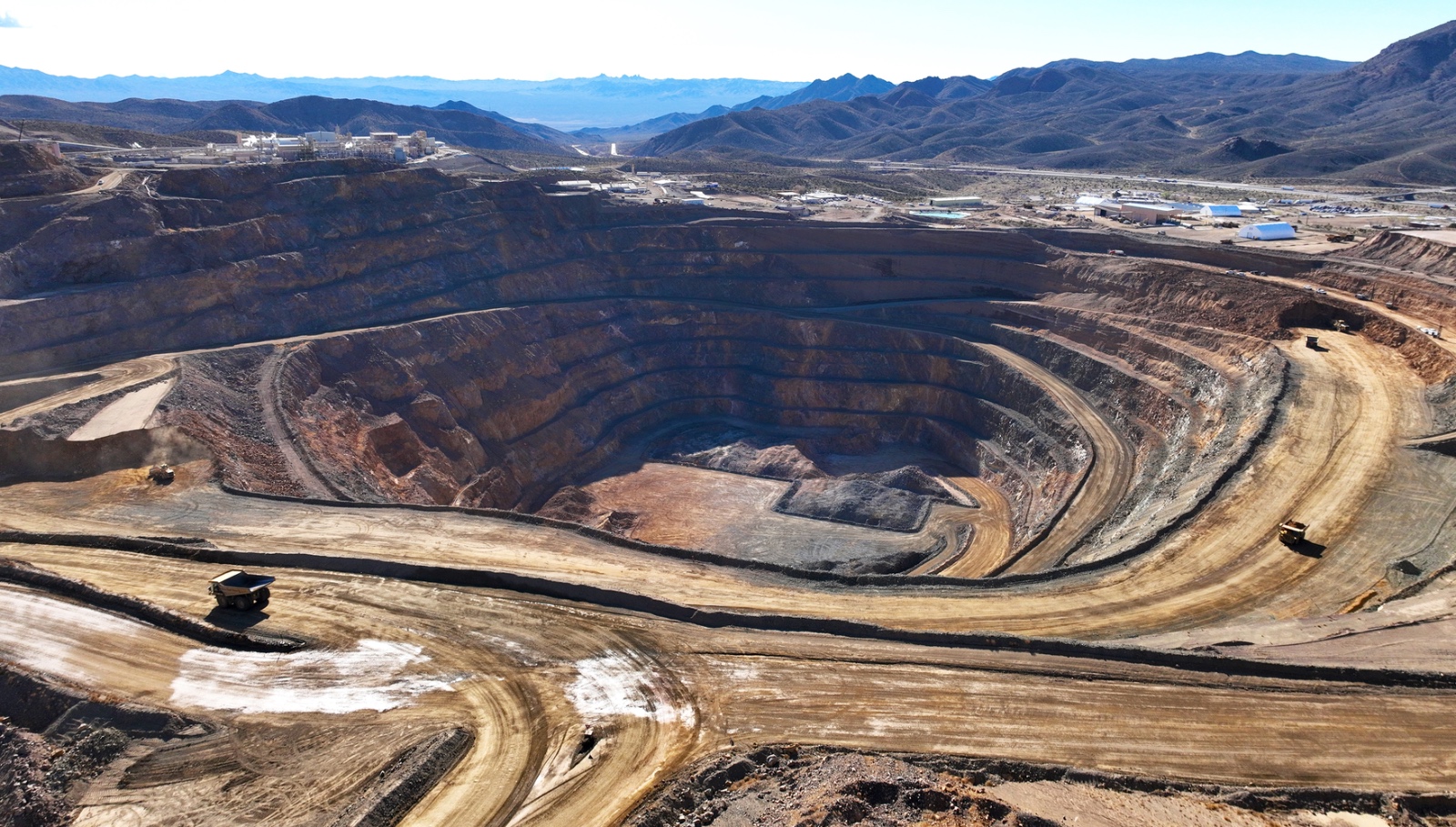
Mrima Hill has been explored since the early 1950s by companies from the United States, Australia, Canada, France and South Africa, first for niobium, and mid-century estimates placed the weathered cover at about 30 million tonnes grading 0.72% niobium oxide. The United States Geological Survey rare earth database records a 1966 estimate of 6 million tonnes at about 5% rare earth oxides alongside a larger lower-grade estimate of 50.8 million tonnes at 0.59%, and notes work by Rhône-Poulenc in 1981. In 2010 Cortec Mining Kenya drilled the hilltop and the enriched weathered zone, which supported an indicated niobium resource of 12.0 million tonnes at 1.21% niobium oxide and a rare earth target of 10 to 20 million tonnes at 3 to 5% total rare earth oxides. A licence followed, and in 2013 the environmental regulator rejected the environmental assessment for that licence, citing the protected status of the site, after which the matter went to arbitration. Across seven decades the ore has repeatedly justified interest and the hill has repeatedly resisted removal.
A carbonatite under a tropical cap
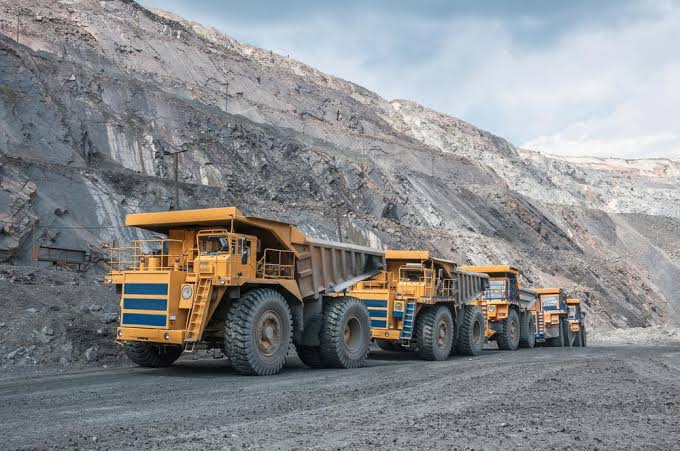
Carbonatites are rare igneous rocks formed from carbonate-rich magma, and they host most of the world’s best rare earth and niobium deposits, including Mountain Pass in the United States, Mount Weld in Australia and Bayan Obo in China. Mrima is a Cretaceous carbonatite complex whose principal rare earth minerals are monazite and gorceixite, with goyazite and pyrochlore also present, and the United States Geological Survey classes the deposit as a carbonatite with residual enrichment. Popular accounts sometimes describe a calcite and limonite basin, whereas the geology is better described as a calcite-rich carbonatite capped by a weathered laterite in which iron and manganese oxides, including limonitic material, are the visible residue of weathering.
How the hill enriches itself
Mrima sits just south of the equator in a warm and humid coastal belt. Rainfall percolates through the carbonatite and dissolves calcite and dolomite, which are the soluble bulk of the rock, while the insoluble phosphates and oxides that carry rare earths and niobium stay behind, and as the rock volume shrinks the residue becomes richer. This supergene enrichment shaped the highest-grade zones at Mount Weld in Australia and Tomtor in Russia, so equatorial weathering gives Kenya a natural beneficiation step that no engineer designed.
The practical consequences are four. Weathered ore is likely to be softer and cheaper to excavate than fresh hard rock, which studies must confirm. Niobium, used in high-strength steel, sits alongside the rare earths, and the RareX title for the project also names phosphate and manganese, so co-products can help carry the economics as iron does at Bayan Obo. Carbonatite rare earths are dominated by the light elements, which include neodymium and praseodymium, the magnet metals, although the Mrima-specific split remains to be confirmed. The deposit has also long been studied as a niobium and thorium association, which calls for a full radiological management plan covering processing, tailings, workers and neighbouring communities.
How the grade compares
| Deposit | Reported grade | Type | Basis |
|---|---|---|---|
| Mrima Hill, Kenya | 4.4% total rare earth oxides indicated, with intercepts reported up to 7.12% | Weathered carbonatite | Government-reported and not independently audited |
| Mount Weld, Australia | 4.1% across a 106 million tonne resource and 8.6% in the 2018 ore reserve | Weathered carbonatite | Company disclosures |
| Mountain Pass, United States | About 8 to 8.5% | Carbonatite | Industry reporting |
| Bayan Obo, China | About 3 to 6% | Carbonatite with iron and niobium | Industry reporting |
| Steenkampskraal, South Africa | About 14.5% in run-of-mine feed | Monazite vein, much smaller scale | Press commentary |
This table is a geological comparison and no more. A reported grade cannot establish that one deposit is commercially competitive with another, because the figures differ in resource and reserve classification, reporting standard and cut-off grade. The table carries no information on mineralogy, the distribution of individual rare earth elements, metallurgical recovery, processing complexity or concentrate quality. A figure of 4.4% says nothing about how much commercially valuable neodymium and praseodymium can actually be recovered, and nothing about whether Mrima ore will cost more or less to process than ore from another deposit. The comparison supports the narrow claim that Mrima is a geological peer of the better carbonatite deposits, subject to the qualification that its figures are unaudited. It does not support a claim of commercial competitiveness, and it does not support the claim that Mrima ranks second to China, since several deposits carry higher grades and Bayan Obo remains the largest deposit by contained metal.
Why the world wants it, and what each lever means
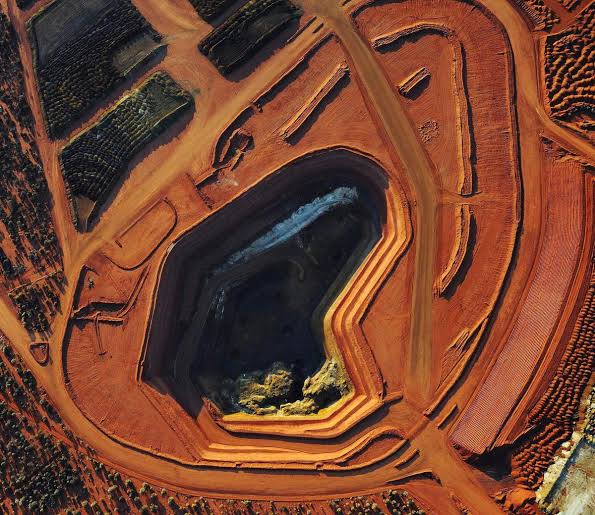
The reason a hill in Kwale is attracting American, Australian and Chinese attention is the structure of the rare earth market. Rare earth value rises sharply at each step from ore to concentrate, to mixed carbonate, to separated oxides, to metals and alloys, and finally to magnets, and concentration differs by stage.
| Stage | China’s share, 2024 | Reading |
|---|---|---|
| Mined magnet rare earths | About 60% | The most open stage, with Australia, the United States and others already producing |
| Refined output | 91%, about 85% in 2025 | Falling slowly as projects in the United States and Malaysia come on stream |
| Sintered permanent magnets | 94% | The most concentrated stage and the hardest to enter |
| Capacity needed outside China by 2035 | Mining about double, refining about four times, magnets about six times | The International Energy Agency’s estimate of expansion beyond planned projects |
Dominance at one stage does not mean identical dominance at every stage, and the stages where concentration is highest are the ones where a producing country gains the most bargaining power by entering. The research unit of the Bank of Finland has cautioned that diversifying mining alone can shift dependence down the chain without reducing it. For Kenya, the bargaining position is strongest before a prospecting licence is granted and weakens as sunk capital accumulates. The levers below are where that position is exercised, and each one is also a fork for participation.
| Lever | Widening outcome | Narrowing outcome | Indicator to watch |
|---|---|---|---|
| Processing location | Separation and refining built in Kwale | Carbonate exported for separation abroad | Dated processing milestones written into the licence |
| Offtake | Diversified buyers and price-linked terms | Capture by a single buyer or bloc | Offtake contracts disclosed to Parliament |
| State participation | Negotiated equity held through the Sovereign Wealth Fund | Royalty only | Equity terms stated in the licence |
| Co-products | Niobium, phosphate and manganese monetised in Kenya | Co-products exported untreated | Co-product plan in the feasibility study |
| Community terms | Equity or benefit share for host communities | Compensation only | Community trust holding in the project |
| Transparency | Contract and evaluation record published | Terms undisclosed | Publication date of the contract |
| Royalty base and pricing | Published reference price method and arm’s length offtake | Negotiated related-party prices | Royalty and transfer pricing method written into the licence |
| Tailings | State-owned tailings register with annual audit | Unrecorded waste | Tailings terms in the licence |
Beneficiation, the technical ladder and what it means for Kenya
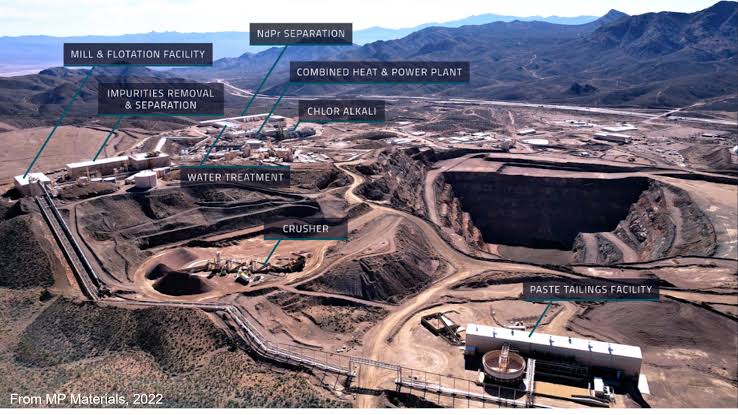
Beneficiation is the word that policy makers and mining engineers use most often and define least often, so this paper uses it with a precise meaning. In its strict technical sense beneficiation is the physical upgrading of ore into a concentrate through crushing, grinding, screening, desliming, gravity and magnetic separation and flotation, which raises the grade without changing the chemistry of the minerals. Metallurgical processing is the next family of steps, which break the minerals down chemically through cracking, leaching, purification and solvent extraction to produce a mixed rare earth carbonate or chloride and then separated oxides, and downstream manufacturing turns oxides into metals, alloys and magnets.
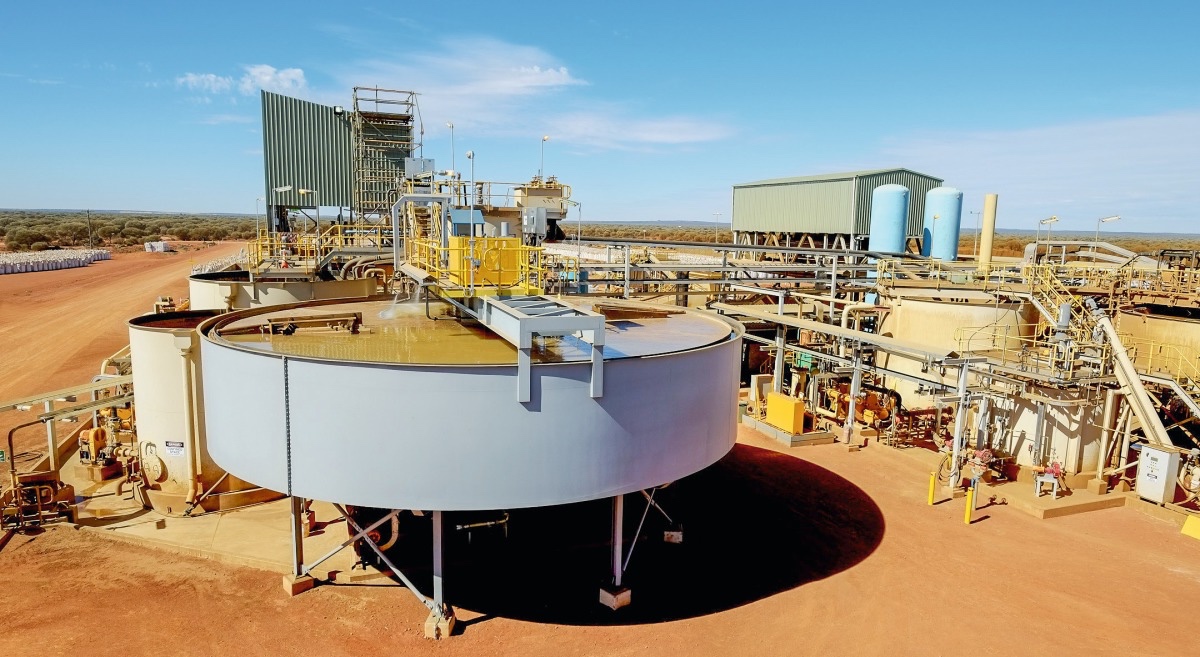
Kenyan policy statements use local beneficiation and value addition loosely to cover all of these, and press reports say in-country processing has been made a condition of the tender, although the legal text that would enforce a specific processing stage was not located in this research. A licence that says only that beneficiation will be done in Kenya can be satisfied by a crusher and a screen, so the stages have to be named.
| Stage | Typical operations | Product | What to ask at Mrima |
|---|---|---|---|
| 1. Mining and ore handling | Excavation of weathered ore, scrubbing and desliming | Run-of-mine ore and fines | How much fine material the weathered ore generates, since fines can carry metal away |
| 2. Physical upgrading, beneficiation in the strict sense | Crushing, grinding, screening, gravity and magnetic separation, flotation | Rare earth and niobium concentrates | Recovery to concentrate and where fine-grained pyrochlore and phosphate minerals are lost |
| 3. Chemical conversion | Acid or alkaline cracking, leaching, removal of thorium and iron | Leach liquor and iron and radioactive residues | Reagent supply, water, power and the thorium residue stream |
| 4. Purification | Precipitation and filtration | Mixed rare earth carbonate or chloride | A first processing plant, which both bidders propose in some form |
| 5. Separation | Solvent extraction circuits in series | Individual oxides including neodymium and praseodymium | Scale, capital and skills, and the stage where Kenya gains most bargaining power |
| 6. Metal and alloy making | Reduction and alloying, and for niobium typically ferroniobium production | Metals, alloys and ferroniobium | A long-term option and not a near-term commitment |
| 7. Magnet manufacturing | Alloy casting, milling and sintering | Permanent magnets | Highly concentrated worldwide and outside the near-term horizon |
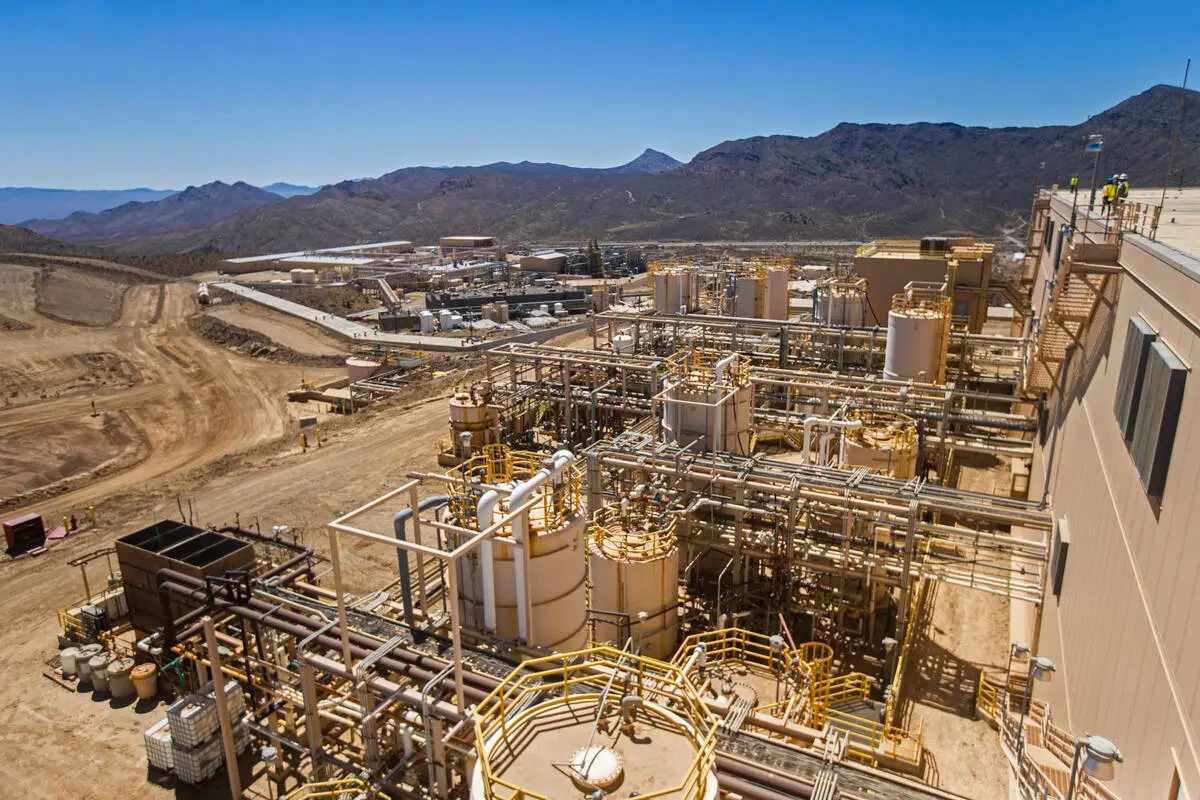
This is a generic flowsheet and Mrima’s actual flowsheet depends on testwork that has not been published. Each step up the ladder adds value and adds demands. Separation and refining are capital intensive, consume reagents, water and power, need a trained workforce, generate a radioactive residue stream when thorium-bearing minerals are treated, and need enough feed and secure offtake to run at an economic scale. Forcing the most advanced stage at a size that the deposit and the market cannot support could sink the project, whereas allowing export of raw concentrate repeats what happened at Base Titanium. The workable path is staged, with dated milestones, performance tests on cost and recovery, a clear fallback such as toll processing abroad with Kenyan title to the product and data rights if a stage fails its test, and a regional hub ambition that could later draw feed from other East African deposits.
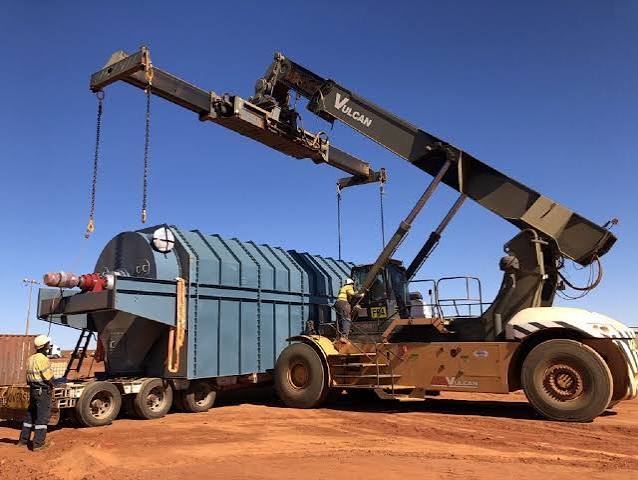
Beneficiation also anchors substance. A processing plant in Kwale is a place where profit can be attributed to a Kenyan entity with real assets, people and risks, which is the foundation of a taxable margin in Kenya, and the next section explains why that margin does not secure itself.
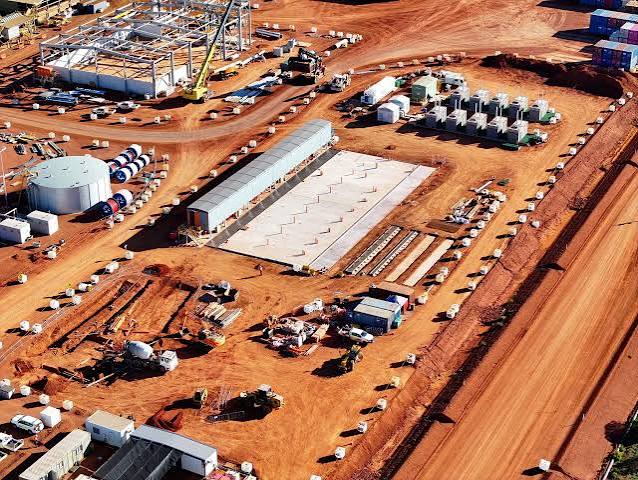
The international tax perspective on beneficiation
Beneficiation changes where value is created, but tax law decides where that value is taxed, and the two do not move together automatically. A concentrate sold to a related refiner abroad at a low price, a licence holder sold upstream at the feasibility milestone, a project financed with related-party debt and an incentive neutralised by a global minimum tax can each move value offshore even when a processing plant stands in Kwale. Kenya’s recent legal changes give it more tools than it had at the time of Base Titanium, and the table sets out the pressure points and the safeguards.
| Pressure point | How value can leak | Kenyan tools and safeguards |
|---|---|---|
| Royalty base for intermediate products | Concentrate and carbonate have no liquid benchmark price, so a negotiated or related-party price can set the base, and the reported royalty rate for rare earths itself differs across sources | The 2023 royalty regulations as published define the base as the full market value of all products capable of being produced using a reference price, so a published reference price method for each product should be fixed in the licence |
| Transfer pricing on related-party offtake | Sales to an affiliated refiner or marketing hub below arm’s length reduce both royalty and taxable profit | The arm’s length rule in section 18(3), documentation and country-by-country reporting, and advance pricing agreements introduced by the Finance Act 2025, with a quoted-price-minus-cost method for products that lack a market |
| Tolling versus sale | Under tolling, title and price risk can sit offshore and the processing fee is Kenya’s only income | Require Kenyan title to the product and a fee benchmarked to cost plus a return, or choose a sale on a formula price |
| Upstream sale of the licence holder | A buyer can acquire the licence-holding company offshore at the feasibility milestone and realise the value without a sale in Kenya | Capital gains tax on indirect transfers, expanded from 1 July 2026 to non-resident gains on shares deriving value from Kenyan assets, plus change of control consent in the licence |
| Related-party debt and fees | Interest, management and technical fees reduce profit in Kenya | Thin capitalisation rules, arm’s length tests and withholding tax on payments abroad, applied to the project from first drawdown |
| Incentives against the global minimum tax | Tax holidays for beneficiation can be topped up by another jurisdiction or neutralised for an in-scope multinational group | Kenya’s domestic minimum top-up tax under section 12G, with final regulations issued on 18 September 2026, and a preference for expenditure-based incentives such as investment allowances over rate holidays |
| Ring-fencing and loss shifting | Costs of other projects deducted against Mrima income | Ring-fence by licence area, extending the approach already used for petroleum blocks |
| Tax stabilisation | A freeze on tax law across decades would lock out measures such as the minimum top-up tax and the indirect transfer rule | Stabilise rates and the royalty base for a defined period and exclude new anti-avoidance measures |
The royalty rate itself is an open question. The Mining Act 2016 was reported to have raised royalties on rare earths, niobium and titanium ores to 10% of gross value, the 2023 royalty regulations as published list 8% for rare earth elements and radioactive minerals, and commercial commentary on the Mrima tender reports 3% for niobium and 5% for rare earths. These cannot all be current, and an investor will model whichever applies, so the rate that governs Mrima should be confirmed and published before the terms are fixed, since on a billion dollars of gross sales value the difference between 5% and 10% is 50 million dollars.
The international tax lens also changes how bids should be compared. A bid that offers local refining but allows the refined product to be sold to an offshore affiliate at an unconstrained price may deliver less to Kenya than a bid that exports carbonate under a transparent formula price. The comparison should be made on the share of margin that lands in Kenya after royalty, corporate tax, withholding and the minimum top-up tax, and not on the location of the plant alone.
Tailings, the second ore body
Tailings are the fine residue left after the valuable minerals have been separated from the ore, and the usual instinct is to treat them as waste to be stored. For a carbonatite that carries rare earths, niobium, phosphate, iron, manganese and thorium, the better instinct is to treat them as unfinished ore.
Bayan Obo shows the cost of the other instinct. That mine was developed mainly for iron, and by 2005 more than 150 million tonnes of rare earth and thorium bearing tailings, mostly finer than 76 microns, were reported to be stored in a dam of 11 to 12 square kilometres near the Yellow River, with a reported average rare earth oxide content of 8.85% and with niobium, scandium, phosphorus, fluorine and radioactive thorium also present. Researchers describe the utilisation of the ore’s rare earths as low and its niobium as largely lost, and laboratory studies report recovery of 76 to 93% of rare earths, 65 to 78% of niobium and 72 to 92% of thorium from the tailings by one chemical route. These are laboratory results, not commercial performance, and another source gives a much smaller stored tonnage, so the figures are indicative, but the direction is clear. Material that the first flowsheet could not recover can be worth recovering later, and it is far cheaper to plan for that at the start than to dig it out of a dam at the end.
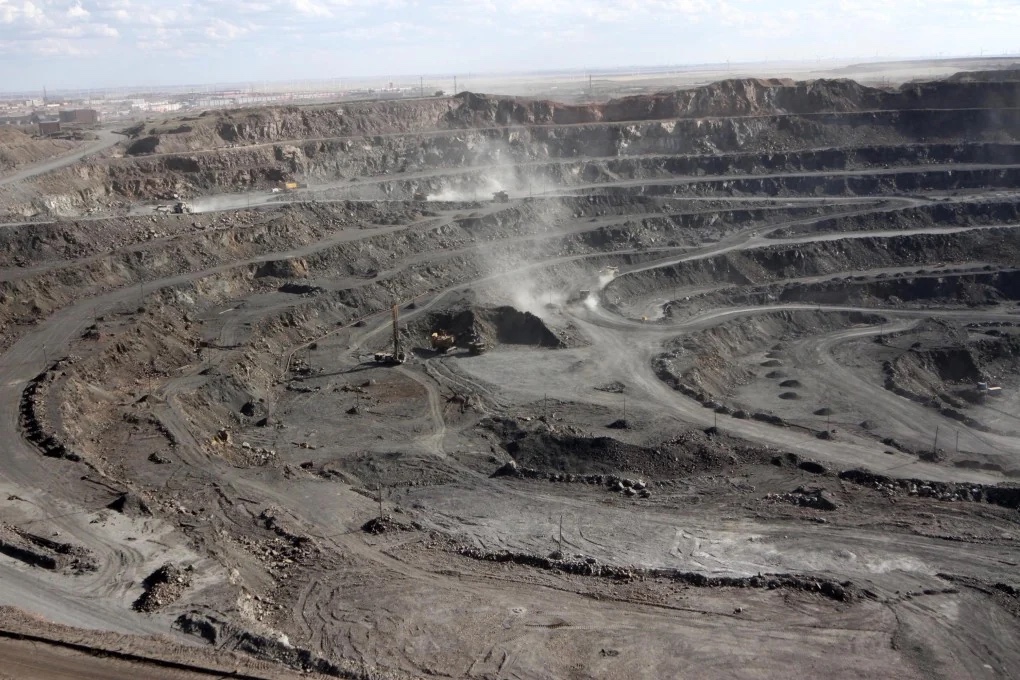
Weathered ore raises its own tailings questions. Weathering produces fines and slimes that are hard to separate, so recovery losses to tailings may be larger than for fresh rock. Fine-grained pyrochlore and phosphate minerals are difficult to float, and the iron and manganese oxides that form the visible cap could become co-products or part of the residue. Trace elements of high value such as scandium, yttrium, tantalum and zirconium may be present in small concentrations, since a Bayan Obo study identifies about 138 parts per million of scandium among the most valuable elements in its tailings, but whether Mrima carries them is not established and needs multi-element assays across the whole deposit and not only for rare earth oxides.
| Tailings stream | What it may hold | Opportunity | Risk | Safeguard |
|---|---|---|---|---|
| Fines and slimes from desliming | Rare earth and niobium minerals lost with the fine fraction | Later reprocessing with a finer-particle circuit | Permanent loss if mixed with coarse waste | Segregate and assay the fines stream |
| Flotation tailings | Residual rare earths, pyrochlore, phosphates and trace scandium or tantalum if present | Second pass recovery and co-products | Discharged as waste with its value unrecorded | Tailings register with grade, tonnage and location by cell |
| Iron and manganese residue | Limonite and manganese oxides | Co-product sales or industrial feedstock | Treated as waste and untaxed | Include in the royalty base as a product capable of being produced |
| Thorium-bearing residue | Radioactive material from monazite | Secure storage now and possible future use of thorium | Long-term radiological liability | Engineered, lined and monitored storage with a funded closure bond |
The question of who owns tailings should be settled in the licence. Commentary on the Constitution reports that Article 62 vests minerals in the national government, and the 2023 royalty regulations as published set the royalty base as the full market value of all mineral products capable of being produced, which supports the argument that recoverable value in tailings belongs inside the royalty base, but the sources reviewed do not state who may reprocess tailings or when a stockpile becomes waste. The licence should therefore state that tailings remain state property, that reprocessing is a mineral dealing that carries royalty, that stockpiles are valued by annual assay and reconciliation, and that classifying material as waste requires an independent audit. Without those rules a licence holder could store low-grade material as waste, avoid royalty on it and recover it after the licence terms have expired or been renegotiated. On the tax side, deductions for tailings storage and closure should be tied to a funded closure bond, and any later sale of tailings or recovered by-products should be taxed as mining income at the project’s ring-fenced rate.
What the law asks for
The Mining Act 2016 states that it gives effect to Articles 60, 62(1)(f), 66(2), 69 and 71 of the Constitution as they apply to minerals. Its express consent provisions are specific and narrower than a general veto. Prospecting and mining rights cannot be granted over private land without the express consent of the registered owner, and cannot be granted over community land without the consent of the authority that administers it or, where the land is unregistered, the National Land Commission, and consent is deemed given where registered owners enter a legally binding arrangement allowing the operations or agree adequate compensation. A mining licence holder must sign a community development agreement and compensate landowners before mining begins. The statutory consent mechanism is therefore contractual and compensatory and does not on its face give a community an unrestricted veto over every proposed activity. Press reports say that in-country processing is a condition of the tender, but the legal text enforcing a specific processing stage was not located, and the royalty rate that applies is reported differently across sources.
| Layer | What it says | Status |
|---|---|---|
| Express statutory requirement | Owner or community authority consent, community development agreement and compensation before mining | Verified from the Act |
| Protected status | The repealed Mining Act excluded land within 100 metres of a declared monument, and whether the 2016 Act or the forest, heritage and environment laws carry an equivalent restriction at Mrima is not established | Unresolved and for counsel to confirm |
| Who decides | Candidates include the National Museums of Kenya, the Kenya Forest Service, the National Environment Management Authority, the National Land Commission, Parliament and the courts, and none is confirmed as the deciding authority | Unresolved |
| This paper’s recommendations | Free, prior and informed consent, a heritage impact assessment and a genuine possibility of refusal | Normative position beyond the statutory minimum |
For the Digo and Mijikenda peoples, Mrima Hill is first a sacred landscape. Elders describe six of the fifty most revered Kayas as lying on the hill, residents say their ancestors are buried in the forest, and the site was designated a national monument in 1992, is a forest reserve and is recognised as a key biodiversity area that shelters threatened birds. About 500 farmers organised in the Mrima Farm Owners Community-Based Organisation say they have received almost no information, and those without title deeds are especially exposed. The Ministry has said that communities were consulted before the tender and that the winning investor will be introduced to them afterwards. The 2013 rejection of the Cortec environmental assessment shows that a Kenyan regulator has refused a project on protected status grounds before, so the answer to the protected status question could materially change the viability of the entire project.
The licence is not issued
Between the notification of 19 November and the first tonne of ore stand a series of gates, and each is decided by a different party.
| Gate | Status as at 20 November 2026 | Who decides |
|---|---|---|
| Notification of intention to award | Issued 19 November 2026 | Ministry of Mining |
| Standstill, debriefing and complaints | Open until 10 December 2026, and RareX has said it will file | Bidders and the procurement review process |
| Prospecting licence application | Not yet filed | Mineral Rights Board recommends and the Cabinet Secretary grants |
| Community consents under the Mining Act | Not yet obtained, and residents report little information | Landowners, county leadership and host communities |
| Environmental and social impact assessment licence | Not yet applied for | National Environment Management Authority |
| Exploration and feasibility study | Follows the prospecting licence | Licence holder |
| Mining licence with community development agreement and compensation | Years away | Ministry and host communities |
| Protected status of the hill | Open question, since the notice does not say whether protection has been lifted | Protected area and heritage authorities and, in the end, Parliament and the courts |
| Court petition on consultation | Filed in June 2026 at the High Court in Kwale and the outcome is not confirmed | High Court |
The sequencing is itself a policy choice. Asking the community after the investor has been chosen makes consent harder to refuse in practice even where it remains available in law, which is why the order of the gates matters almost as much as their content.
The Kwale precedent
Kwale’s mineral sands offer Kenya’s most relevant precedent. Base Titanium began exporting in 2013 and ended mining on 31 December 2024 when the ore was depleted, with the final bulk shipment leaving Mombasa for the United States on 12 February 2025. At the project’s outset the company projected annual ilmenite output of about 340,000 tonnes, equal to roughly 10% of global supply, so whatever the exact share in any given year, Kenya was a significant world supplier. The question that matters for Mrima is what that revenue left behind as domestic productive capacity.
| Measure | Figure | Reading |
|---|---|---|
| Share of national mineral output value at peak | About 65% | One mine carried most of the sector, so its closure removed most of it |
| Revenue, financial year to June 2022 | 279.1 million dollars | Gross revenue and not retained value |
| Taxes and royalties over the mine’s life | More than KSh36 billion | Substantial national receipts |
| Local supplier payments | 71% of procurement in FY2022 and 80% in FY2023 | A genuine local supply chain |
| Kenyan share of Kwale workforce | About 98%, with 888 employees in June 2022 | Largely Kenyan employment |
| Economic injection, FY2022 | KSh16.5 billion through royalties, taxes and supplier purchases | About 49% of revenue by derivation, before wages |
| Jobs lost at closure | Between 1,100 and 1,500, depending on the count | Sources differ |
| County and community royalty regulations | Reported as gazetted only in January 2026 | A community channel that arrived more than a year after mining ended |
| Downstream processing in Kenya | None found | Products left as ilmenite, rutile and zircon |
| Infrastructure handed over | Reported to include the Mukurumudzi Dam, power substations, a 16 kilometre transmission line and an 8 kilometre road | Real assets, reported by a secondary source |
The picture is of substantial benefits during extraction, a thin set of productive assets afterwards and a community royalty channel that came too late to matter. Kenya earned meaningful revenue and local procurement whereas it built neither a processing industry nor a financial endowment that outlasts the pit. A mine is a depleting asset, and the only way a nation keeps the benefit after the ore is gone is to convert the proceeds into durable capital.
Norway, the NIF and the Sovereign Wealth Fund
Norway is usually cited for its oil, yet its lasting achievement was institutional. Under the Government Pension Fund Act the Ministry of Finance holds responsibility for the Fund and sets the investment framework, while Norges Bank manages the Government Pension Fund Global within a mandate set by the Ministry. The government’s net petroleum cash flow is transferred in full to the Fund, the capital is invested abroad, and the fiscal rule requires that spending from the Fund follow over time the expected real return, estimated at 4% when the rule began in 2001 and reduced to 3% in 2017. The rule allows deviation in a severe downturn, and in 2026 about 27% of the central government budget is estimated to be financed by transfers from the Fund. The Fund’s value series begins in 1996 and the rule followed five years later, which shows that the institution matured over time.
Kenya’s architecture is not the same thing. Norway’s Fund is a single savings vehicle fed by net petroleum cash flow and governed by one spending rule, whereas Kenya’s Sovereign Wealth Fund Act creates three components, which are stabilisation, strategic infrastructure and future generations, and the National Infrastructure Fund Act 2026 creates a separate body designed to mobilise pension, sovereign and private capital into infrastructure. The Sovereign Wealth Fund is designed to receive mining and petroleum royalties, bonus payments and the proceeds of state stakes, and reporting on the framework notes that at least one third of it is earmarked for strategic infrastructure. A published withdrawal rule for the future generations component comparable to Norway’s fiscal rule was not found.
The proposal to use the NIF as the key to enhanced wealth deserves one refinement. If Mrima revenues flow mainly into infrastructure spending, Kenya risks consuming the resource within a generation, which is what the titanium experience suggests. The table sets out a division of labour that treats each channel according to its function.
| Channel | Role for Mrima revenues | Main risk | Safeguard |
|---|---|---|---|
| County and community royalty shares | Pay the 20% and 10% shares on schedule and in full | Regulations arriving after production, as at Kwale | Gazette release regulations before a prospecting licence converts to a mining licence |
| Sovereign Wealth Fund future generations component | Receive a legislated savings floor from royalties, signature payments and state equity returns | Discretionary withdrawals in lean fiscal years | A published withdrawal rule tied to expected real return, in the spirit of Norway’s fiscal rule |
| Sovereign Wealth Fund stabilisation component | Cushion the budget against price swings in a price-dependent revenue stream | Using the buffer as a routine funding source | Clear trigger conditions for drawdown and refill |
| Strategic infrastructure component and the NIF | Co-invest in enablers that keep processing in Kenya, such as power, water, road and rail to Mombasa and an industrial park in Kwale | Funding assets that generate no return and crowd out savings | Commercial return tests and a cap on the share of Mrima revenue directed here |
Critics have questioned whether housing the NIF in a limited liability company is the right structure, which strengthens the case for an independent board, audited public accounts, published contracts and parliamentary oversight from the outset.
Where participation will be decided
Mrima Hill is better understood as the first link in a chain than as a mine. Upstream sits exploration, drilling and feasibility work, then excavation and concentration at the hill, then the chemical steps that turn concentrate into carbonate and separated oxides, and finally the metal and magnet stages that capture most of the value. Around the chain sit power, water, road and port services, local contractors and the training institutions that supply skilled people.
| Stage | Where it happens today | What Kenya could capture | Position in the bids |
|---|---|---|---|
| Mining and concentration | At the deposit | Jobs, local supply, royalties and compensation | Both bidders plan this in Kwale |
| Mixed carbonate | At or near the mine | Chemical engineering skills and a first processing plant | Both bidders plan a carbonate or equivalent |
| Separated oxides | China dominates, with Malaysia, the United States and Australia growing | The stage with the most bargaining power for a new entrant | Frontier says Kenya, whereas RareX proposed Western Australia |
| Metals and magnets | China holds about 94% of magnet production | A long-term option rather than a near-term commitment | No commitment found |
| Co-products | Niobium, phosphate and manganese on the deposit | Diversified revenue that lowers rare earth costs | Named in the RareX title and not yet planned |
Three directions are plausible. The licence holder could deepen processing in Kenya as volumes grow, which would widen skills and anchor suppliers. It could export concentrate or carbonate and keep the value stages abroad, which would raise value for the investor but narrow participation. The project could also stall behind the consent and protected status questions, which would leave Kwale with the burden of uncertainty and none of the benefits.
The mineral sovereignty scorecard
At Uratibu we propose a scorecard that gives visibility on mineral sovereignty, organised under five dimensions that can be applied to any strategic mineral project in Kenya, whether lithium, copper, manganese, graphite, titanium or rare earths. The dimensions are process, value, fiscal, geopolitical and community sovereignty, and each indicator below carries a baseline, a signal of widening participation and a signal of narrowing participation, so that the reading is symmetrical and cannot be bent to suit a conclusion.
| Indicator | Baseline on record | Widening signal | Narrowing signal |
|---|---|---|---|
| Process, award integrity | Notice issued and RareX complaint pending | Published evaluation record that answers the allegation | No reasoning published |
| Process, resource documentation | Figures reported through a secondary source | Primary geological report and classification released | Figures remain unverified |
| Value, processing milestones | Bid intentions only | Dated milestones in the licence | No binding milestones |
| Value, location of separation | Frontier says Kenya and RareX proposed Australia | Separation built in Kwale | Carbonate exported |
| Fiscal, state equity | None announced | Negotiated stake held through the Sovereign Wealth Fund | Royalty only |
| Fiscal, savings rule | No published withdrawal rule found | Legislated savings floor and withdrawal rule | Discretionary access |
| Fiscal, royalty release | Regulations reported gazetted in January 2026 | Shares paid on schedule from first production | Further delay |
| Geopolitical, offtake | None disclosed | Diversified buyers and price-linked terms | Single buyer capture |
| Community, consent record | Residents report little information | Documented consent process with a genuine option to refuse | Consultation after the award |
| Community, participation | Digo Community Trust formed in 2025 | Community equity or benefit share | Compensation only |
| Heritage, protected status | Open question | Public determination by the competent institution | Resolved by implication |
| Environment, radiological and tailings | No plan found | Independent monitoring and published plan | Plan deferred |
| Beneficiation, definition in licence | Policy says in-country processing, with no stage defined in the sources reviewed | Named stages with dated milestones and performance tests | Beneficiation left undefined |
| Tax, royalty base for concentrate and carbonate | Rate and base unconfirmed, with 5%, 8% and 10% all reported | Published rate and reference price method for each product | Negotiated prices left unpublished |
| Tax, related-party pricing | Arm’s length rule and advance pricing agreements available | Advance pricing agreement or published formula for offtake | Unconstrained affiliate sales |
| Tax, indirect transfers | Rule expanded from 1 July 2026 | Change of control consent and tax collected on upstream sales | Upstream sales with no Kenyan tax |
| Tailings, ownership and register | No rule found | Tailings declared state property with a grade register and annual audit | Tailings treated as unrecorded waste |
| Tailings, by-product accounting | None found | Co-products and recovered metals inside the royalty base | By-products unreported |
| Skills and local supply | Kwale precedent of 71% to 80% local procurement | Local supplier and graduate targets in the licence | Imported services and staff |
Uratibu’s interest in this analysis is practical. The sovereignty test needs a baseline and a regular reading, and public and private decision makers will want to know within a few quarters whether a project is widening or narrowing what Kenya keeps. Uratibu proposes to apply the same five dimensions as a standing assessment and to publish a recurring Kenya Strategic Minerals Intelligence Report that tracks licensing and concessions, investor ownership and capital commitments, resource estimates and geological confidence, processing and beneficiation commitments, export destinations and offtake, fiscal returns and domestic value retention, community consent and environmental compliance, and infrastructure and industrial linkages. Measuring that kind of outcome is what a governance performance intelligence approach is built to do.
Risks and open questions
Geological and metallurgical confidence. The resource figures are reported and unaudited, the split between light and heavy rare earths at Mrima is not confirmed, and weathered phosphate ore has its own processing challenges that testwork must resolve.
Legal viability. Whether the national monument and forest reserve can coexist with prospecting or extraction, and which institution decides, is unresolved and could decide the project.
Procurement integrity. The RareX allegation about a late submission is untested, and an unresolved dispute could cloud the licence holder’s title.
Community and heritage. A project that proceeds over the objection of the host community tends to stall, and consent after the award is harder to refuse in practice than before it.
Radiological and environmental. The deposit has long been studied as a niobium and thorium association, so tailings, dust and water protection require an independent and public plan.
Price and market. Rare earth prices are strongly influenced by one dominant supplier, so revenue is exposed to policy shifts that Kenya cannot control.
Fiscal capture. Without a legislated savings rule, revenues could be consumed as quickly as titanium revenues were, and the NIF’s corporate structure has attracted criticism.
Tax base erosion. Intermediate products without a liquid price, related-party offtake, upstream sales and incentive design can move the margin from beneficiation offshore even when processing is built in Kwale.
Tailings liability and leakage. Tailings that are not registered, assayed and owned by the state can leak value as unrecorded waste and leave a long-term radiological liability with the host community.
Geopolitical. American, Australian and Chinese capital are all competing for critical mineral positions in Kenya, so diversified offtake and non-alignment are part of the sovereignty case.
Sequencing. Closing the gates in the wrong order, with investor commitments before consent and royalty regulations after production, repeats the Kwale pattern.
An agenda to capture the margin
The sequence below is a proposed Uratibu agenda and not a statement of commitments made by any bidder or government body.
Establish the baseline in the next six months
- Obtain the primary tender documentation, the resource classification, the reporting standard and the underlying geological report.
- Obtain legal advice on protected status, the institution that decides and the interaction of the Mining Act with the heritage, forest and environment regimes.
- Publish the evaluation record, resolve the RareX complaint and release the contract and any government-to-government agreement.
- Confirm the royalty release regulations and the Sovereign Wealth Fund withdrawal framework.
- Confirm the royalty rate and base that apply to rare earths and niobium, define the beneficiation stages, and fix a reference price method for concentrate and carbonate.
Measure consent and design from six to twelve months
- Run a heritage and cultural impact assessment with the National Museums of Kenya and the Kaya elders, and a consent process in which refusal remains a real outcome.
- Agree dated processing milestones, state equity and a community trust stake, and set a legislated savings floor before any licence converts.
- Complete metallurgical testwork on recovery, concentrate quality and the neodymium and praseodymium share, with multi-element assays for scandium, yttrium, tantalum and zirconium, and a radiological and tailings plan.
- Agree the transfer pricing approach and an advance pricing agreement for offtake, change of control consent for upstream sales, and the tailings ownership and register rules.
Assess long-term contribution from twelve to eighteen months
- Track compensation paid before disturbance, community shares released and local procurement against the Kwale baseline.
- Audit stockpiles and tailings against the register, reconcile royalties to the reference price method, and measure the share of margin that lands in Kenya.
- Publish the first mineral sovereignty scorecard reading, and assess whether the project builds processing capacity, skills and savings or only exports ore.
Seven signals to watch
- The outcome of the RareX procurement complaint after 10 December.
- Whether a prospecting licence application is filed and what conditions accompany it.
- Any public statement on the protected status of the hill and the institution that decides.
- The status of the High Court petition at Kwale.
- Release of the primary resource report and the classification behind the 48.7 and 5.8 million tonne figures.
- Whether processing milestones and state equity appear in the licence terms.
- The next Finance Bill and any Sovereign Wealth Fund or royalty regulations, including the royalty rate, the reference price method and the beneficiation definitions.
Their sequence will tell us whether Mrima Hill is remembered as the start of a Kenyan mineral economy or as another chapter in which the ore left and little stayed.
Closing thought
Mrima Hill says something important about how the world now values Kenya’s ground. A weathered carbonatite on the Kwale coast offers a high-grade deposit, a valuable co-product, a coastline and a moment in which the world is actively searching for new sources of the metals that power electric motors, wind turbines and defence systems.
We believe that the grade of a deposit is not the most important value it holds, and the more important question is what happens after the ore is identified. Do the people of the hill consent? Is the contract open? Is processing built at home? Does the margin from that processing land in Kenya after royalty and tax? Are the tailings recorded as a state-owned second ore body? Are the savings protected from the pressures of each budget cycle? Do the Treasury, the county and the community each receive their share on time?
Kenya does not need to discourage foreign capital to secure a greater domestic return from it, and what it needs are the institutions, data and measurement systems that make sovereignty visible, identify where value is being created and establish whether the benefits are reaching the wider economy. Extracting minerals sends value out in ships whereas building a mineral economy keeps value in the country long after the last ship has sailed, and the measure of Mrima Hill will be what Kenya builds after the ore is found and not what the geology promises.
Annex A. Evidence register
The evidence base combines legislation, official publications, company disclosures, reported statements, market reporting and author calculations, and each claim carries one of four grades. Verified means a fact supported by a primary document such as legislation, an official publication or an agency dataset, or by several independent sources, and the source column says where only press or third party reporting was available. Quoted means a statement attributed to a named person, institution or company and reported as such. Derived means a calculation or reading made from disclosed or reported inputs, with the working shown in Annex B. Unresolved means sources conflict, the method is unavailable or confirmation was not found. The entries follow the order of the paper.
| Section | Claim or figure | Grade | Source |
|---|---|---|---|
| Process | Notification of intention to award issued on 19 November 2026 to the Frontier Minerals LLC-led consortium, with RareX and Iluka ranked second of three shortlisted, and five tenders submitted on 21 October 2026 | Verified, secondary | RareX ASX announcement as reported by Kalkine Media, People Daily, TipRanks and Rio Times Online |
| Process | The notice is no licence, since a prospecting licence needs an application through the Online Mining Cadastre, review by the Mineral Rights Board, grant by the Cabinet Secretary, community consents and a NEMA licence, and a mining licence needs a feasibility study and a community development agreement | Verified, secondary | allAfrica, 19 November 2026, and Discovery Alert, 20 November 2026 |
| Process | The Minister described an award as a gateway to partnership and compliance and not permission to break ground | Quoted | allAfrica, 19 November 2026 |
| Process | RareX plans a procurement complaint by 10 December 2026 and a debriefing request by 26 November, alleging Frontier’s expression of interest was late against Gazette Notice 4263 of 24 March 2026 | Quoted | People Daily and Kalkine Media |
| Process | Frontier plans local processing and refining using ReElement technology whereas RareX proposed carbonate separated at Iluka’s Eneabba refinery in Western Australia | Quoted | allAfrica, The Epoch Times and Discovery Alert |
| Process | Chinese companies secured two other mineral projects in the same tender round and two Chinese firms withdrew from Mrima | Verified, secondary | The Epoch Times and Kenyans.co.ke |
| Numbers | Government-reported indicated resource of 5.8 Mt at 1.41% Nb2O5 and 48.7 Mt at 4.4% TREO, with intercepts up to 7.12% TREO and a project area of about 31.9 square kilometres | Quoted | AFNIS Insights describing the 2026 tender documentation |
| Numbers | Contained TREO of about 2.14 Mt and contained Nb2O5 of about 82,000 t | Derived | Author’s arithmetic, with the 2022 Geological Survey of Denmark and Greenland report listing 2,143,000 t for Mrima Hill |
| Numbers | A KSh7.2 trillion (62.4 billion dollar) value reported in 2022, with Associated Press noting that it used prices of the time, excluded costs and did not show Kenya’s share | Quoted | The Standard and Associated Press |
| Numbers | Classification, reporting standard and underlying report for the government figures | Unresolved | Primary tender documentation not obtained |
| Geology | Cretaceous carbonatite complex about 70 km from Mombasa, with monazite, gorceixite, goyazite and pyrochlore, classed as a carbonatite with residual enrichment, and the exact intrusion geometry not confirmed | Verified for the general description and Unresolved for geometry | Geology for Investors, USGS rare earth database and Mindat |
| Geology | Cortec’s 2010 drilling supported a 12.0 Mt indicated niobium resource at 1.21% Nb2O5 and a target of 10 to 20 Mt at 3 to 5% TREO | Verified, secondary | Geology for Investors |
| Geology | Historical estimates include 30 Mt at 0.72% Nb2O5 (1959), 6 Mt at about 5% REO (1966) and 50.8 Mt at 0.59% REO, with Rhône-Poulenc in 1981 | Verified | USGS rare earth database and mineral resources data system |
| Geology | Weathering and supergene enrichment of carbonatite shaped the highest-grade deposits at Mount Weld and Tomtor | Verified | University of Exeter review of large and giant rare earth deposits |
| Geology | Carbonatite rare earth deposits typically hold 1 to 9% TREO and are dominated by light rare earths, and Mrima-specific neodymium, praseodymium and heavy rare earth shares were not found | Verified for the general statement and Unresolved for Mrima | Geological Survey of Denmark and Greenland report 2022 |
| Geology | Mrima has been studied as a niobium and thorium deposit, with thorium hosted mainly in monazite, and the radiological profile of the ore was not found | Verified for the association and Unresolved for the profile | Mindat and USGS |
| Geology | Comparator grades are Mount Weld 4.1% on 106 Mt and 8.6% in the 2018 reserve, Mountain Pass about 8 to 8.5%, Bayan Obo about 3 to 6% and Steenkampskraal about 14.5% | Verified, secondary | ASX disclosures, Barron’s, BusinessDay and a Society for Mining, Metallurgy and Exploration paper |
| Geology | A claim that Mrima ranks second to China on grade is contradicted by the comparator data | Unresolved | Author’s assessment |
| World | In 2024 China accounted for about 60% of mined magnet rare earths, 91% of refined output and 94% of sintered permanent magnet production, with refining about 85% in 2025 and required expansion outside China of about two, four and six times in mining, refining and magnets | Verified, primary for the IEA data | International Energy Agency and the Bank of Finland BOFIT weekly review |
| Law | The Mining Act 2016 gives effect to Articles 60, 62(1)(f), 66(2), 69 and 71 of the Constitution, section 37 requires owner consent for private land and section 38 requires community authority or National Land Commission consent for community land, with consent deemed given through a binding arrangement or an adequate compensation agreement | Verified, primary | Mining Act No. 12 of 2016 as published by Kenya Law and the Mining Cadastre portal |
| Law | The repealed Mining Act, Cap 306, excluded land in or within 100 metres of a monument or protected area declared under the National Museums and Heritage Act | Verified, primary for the repealed Act and Unresolved for current law | Text of Cap 306 as published by the African Mining Legislation Atlas |
| Law | Whether current forest, heritage and environment legislation bars or conditions prospecting at Mrima, how constitutional and international provisions apply, and which institution decides | Unresolved | Author’s assessment |
| Law | Royalties shared 70% national, 20% county and 10% community, and a community development agreement and compensation required before mining | Verified | Associated Press and The Star |
| Community | Mrima Hill Sacred Grove designated a national monument in 1992, forest reserve, key biodiversity area, and elders cite six of fifty revered Kayas on the hill | Verified | Associated Press, Nature Kenya and The Standard |
| Community | The Digo Community Trust formed in 2025, about 500 farmers report little information, and the Centre for Litigation Trust petitioned the High Court in Kwale on 22 June 2026 | Verified, secondary | Associated Press as carried by WRAL, ABC News and La Nación |
| Community | The Ministry says communities were consulted before the tender and that it chose investors before formal consent processes | Quoted | Associated Press |
| Community | In 2013 the environmental regulator rejected Cortec’s environmental assessment citing protected status and the matter went to arbitration | Verified, secondary | Extractives Daily as reported by MyMotherLode and The Standard |
| Kwale | Base Titanium mined from 2013 to 31 December 2024, made its last bulk shipment on 12 February 2025, represented about 65% of mineral output value, earned 279.1 million dollars in FY2022 and paid more than KSh36 billion in taxes and royalties | Verified, secondary | Business Daily Africa, The Standard and The Star |
| Kwale | Jobs lost reported as 1,500 by Business Daily and 1,100 by The Standard | Unresolved | Business Daily Africa and The Standard |
| Kwale | Base projected about 340,000 t of ilmenite, roughly 10% of global supply | Quoted | Business Daily Africa |
| Kwale | About 98% of Kwale employees were Kenyan, with 888 in June 2022, a Kwale then Mombasa then Kenya supplier preference, and supplier payments of 57.61 million dollars (71%) in FY2022 and 66.2 million dollars (80%) in FY2023 | Verified, secondary | Base Resources disclosures as reported by Business Daily, African Business, The EastAfrican and a modern slavery statement |
| Kwale | KSh16.5 billion injected into the economy in FY2022 through royalties, taxes and supplier purchases | Verified, secondary | Business Daily |
| Kwale | Regulations releasing county and community royalty shares not gazetted until January 2026 | Quoted | A speaker quoted by The Standard, 6 October 2026 |
| Kwale | Infrastructure handed over reported to include the 8.4 million cubic metre Mukurumudzi Dam, substations, a 16 km line and an 8 km road | Quoted | Bankelele commentary |
| Kwale | Base said it would retain the Likoni port facility, and no evidence of surviving processing capability or downstream processing in Kenya was found | Quoted, and Unresolved on processing | The Standard and Business Daily Africa |
| Funds | Norway’s Government Pension Fund Act places responsibility with the Ministry of Finance and operational management with Norges Bank, petroleum cash flow is transferred in full and invested abroad, the fiscal rule has applied since 2001 with the expected real return revised from 4% to 3% in 2017, and the value series begins in 1996 | Verified, primary | Norwegian Ministry of Finance, Norges Bank Investment Management and Norsk Petroleum |
| Funds | About 27% of the 2026 central government budget is estimated to be financed by transfers from the Fund | Verified, primary | Ministry of Finance white paper Meld. St. 7 (2025 to 2026) |
| Funds | The NIF Act 2026 was signed into law and the Sovereign Wealth Fund Act creates stabilisation, strategic infrastructure and future generations components and receives royalties, bonuses and state stake proceeds, with critics questioning the NIF’s limited liability company structure | Verified, secondary | Citizen Digital, Nation Africa, The Standard and Parliament of Kenya |
| Funds | At least one third of the Sovereign Wealth Fund is earmarked for strategic infrastructure, and government intends to offer Mrima Hill elements through open tender within a capital recycling model | Verified, secondary | Bowmans Law |
| Funds | No published withdrawal rule for the future generations component was found | Unresolved | Author’s search |
| Beneficiation | Press reports say in-country processing is a condition of the tender, and the legal text enforcing a specific processing stage was not located | Quoted, and Unresolved on the legal basis | Press and commentary reports including The Standard as cited by African Elements |
| Beneficiation | Typical beneficiation and processing stages and their products, from crushing to magnets, with ferroniobium as the usual niobium product | Derived | Author’s description based on standard hydrometallurgical practice, to be confirmed by Mrima testwork |
| Tax | Royalty rates are reported differently, with 10% for rare earths, niobium and titanium ores under the 2016 Act, 8% for rare earth elements and radioactive minerals in the 2023 regulations as published, and 3% for niobium and 5% for rare earths in commercial commentary | Unresolved | Journal of Energy and Natural Resources Law 2016, Ministry of Mining 2023 regulations, and Elisa Exporters |
| Tax | The 2023 royalty regulations as published define the royalty base as the full market value of all mineral products capable of being produced, using a reference price | Verified, primary for the text as published, and Unresolved on whether it is in force as published | Ministry of Mining |
| Tax | Section 18(3) of the Income Tax Act requires related-party transactions at arm’s length, and the Finance Act 2025 introduced advance pricing agreements under section 18G | Verified, secondary | RSM Eastern Africa and Chambers Tax Controversy 2026 |
| Tax | The domestic minimum top-up tax under section 12G took effect from 27 December 2024, and final regulations were issued on 18 September 2026 as Legal Notice 189 of 2026 | Verified, secondary | EY, Chambers and KPMG |
| Tax | Capital gains tax was expanded from 1 July 2026 to non-resident gains on shares that derive value from Kenyan assets, with some remaining lack of clarity | Verified, secondary | KPMG and ENSafrica |
| Tax | Kenya has thin capitalisation rules and ring-fencing for petroleum blocks, and extractive tax rates sit in the Ninth Schedule | Verified, secondary | PwC and EY |
| Tailings | Bayan Obo tailings were reported at more than 150 million tonnes by 2005 in an 11 to 12 square kilometre dam with an average rare earth oxide content of 8.85% and with niobium, scandium, phosphorus, fluorine and thorium present, and another source gives 9.3 million tonnes | Verified, secondary, with a conflict on tonnage | Metallurgical research papers and Scientific Reports |
| Tailings | Laboratory recovery of 76 to 93% of rare earths, 65 to 78% of niobium and 72 to 92% of thorium from Bayan Obo tailings, and about 138 parts per million of scandium | Verified, secondary, at laboratory scale | Metallurgical papers on recovery and on process mineralogy of Bayan Obo tailings |
| Tailings | Rare earth utilisation in Bayan Obo flowsheets was low and niobium was largely lost | Quoted | Hydrometallurgy research abstract |
| Tailings | Minerals are vested in the national government under Article 62, and no rule on who may reprocess tailings or when a stockpile becomes waste was found | Quoted, and Unresolved on tailings rules | Commentary citing the Constitution and the author’s search |
| Tailings | Presence of scandium, yttrium, tantalum and zirconium at Mrima | Unresolved | No multi-element assay data found |
| Sector | The Mining Minister aims to raise mining’s share of GDP from about 1% to 10% within a decade | Quoted | Associated Press |
Annex B. Deductions and calculations
Each deduction below is built from the inputs named and should be recalculated if the underlying figures change. None is a published figure.
| Ref | Deduction | Inputs and method | Qualification |
|---|---|---|---|
| D1 | Contained rare earth oxides | 48.7 million tonnes multiplied by 4.4% gives about 2.14 million tonnes | Reported and unaudited tonnage and grade, and a geological quantity and not recoverable product |
| D2 | Contained niobium oxide | 5.8 million tonnes multiplied by 1.41% gives about 81,800 tonnes | Same qualification as D1 |
| D3 | Implied exchange rate in the headline valuation | KSh7.2 trillion divided by 62.4 billion dollars gives about KSh115 per dollar | Press figure with the method unpublished |
| D4 | Share of Kwale revenue that moved through the economy | KSh7 billion for 57.61 million dollars implies about KSh121.5 per dollar, so KSh16.5 billion is about 136 million dollars, and 136 divided by 279.1 is about 49% | Approximate, excludes wages, and the KSh16.5 billion definition may differ from revenue |
| D5 | Royalty split illustration | On each KSh100 of royalty, KSh70 goes to national government, KSh20 to the county and KSh10 to the community | Statutory percentages reported by the press, and the base of the royalty is not tested here |
| D6 | Norway’s rule followed the fund by five years | Value series begins in 1996 and the fiscal rule has guided withdrawals since 2001 | Series start read from a published chart |
| D7 | Tenfold increase in mining’s share of GDP | A rise from about 1% to 10% is a factor of ten | Minister’s stated ambition and not a forecast |
| D8 | Base’s share of mineral output value at closure | One mine at about 65% of value implies that closure removed about two thirds of recorded mineral output value | Peak share, and later shares may differ |
| D9 | Single-stage dominance is not whole-chain dominance | China at about 60% of mining, 91% of refining and 94% of magnets differ by 31 percentage points between mining and refining and by 34 between mining and magnets | IEA 2024 shares and the refining share is about 85% in 2025 |
| D10 | Capacity gap outside China | Expansion of about two, four and six times in mining, refining and magnets beyond planned projects | IEA estimate and not a forecast of any single project |
| D11 | Grade comparison limits | Mrima 4.4% indicated resource against Mount Weld 4.1% resource and 8.6% reserve compares different resource categories | Cut-off grades are not disclosed on a like-for-like basis |
| D12 | Jobs lost at Base Titanium | 1,500 reported by Business Daily against 1,100 reported by The Standard, a difference of 400 | Sources use different counts |
| D13 | Enrichment by weathering, illustrative | Residual grade equals fresh grade divided by one minus the dissolved mass fraction, so dissolving half the mass doubles the grade of insoluble minerals | A textbook mass balance used for illustration, and Mrima’s fresh grade and mass loss were not found |
| D14 | Contained rare earth oxide in Bayan Obo tailings | 150 million tonnes multiplied by 8.85% gives about 13.3 million tonnes, whereas 9.3 million tonnes multiplied by 8.85% gives about 0.82 million tonnes | Sources conflict on tonnage by a factor of about sixteen, and both figures are contained metal and not recoverable product |
| D15 | Bayan Obo stored tailings against Mrima’s indicated resource | 150 million tonnes divided by 48.7 million tonnes is about 3.1 | Uses the larger tonnage, which is reported and may be overstated |
| D16 | Royalty rate sensitivity | On 1 billion dollars of gross sales value, 5% gives 50 million dollars, 8% gives 80 million and 10% gives 100 million, a spread of 50 million | Illustrates an unresolved rate, with the base assumed to be gross sales value |
| D17 | Effect of undervaluing a related-party sale | Concentrate worth 100 sold at 80 to an affiliate gives a royalty at 8% of 6.4 against 8.0, a loss of 1.6 per 100 or 20% | Illustrative, and the same shortfall also reduces taxable profit in Kenya |
| D18 | Tailings sensitivity at Mrima | Each 10 percentage points of rare earth recovery lost to tailings places about 214,000 tonnes of contained rare earth oxide in residue, from 10% of the 2.14 million tonnes in D1 | Illustrative sensitivity with no claim about Mrima’s actual recovery |