
Our Editorial Premise
Development isn’t exclusively about roads, electricity, manufacturing and investment. It is also about the preservation, production and commercialisation of culture. Music is one of the world’s most powerful cultural assets and potential exports.
Every week, we discover the artists, sounds and stories shaping our cultural identity, listening to the wider world with a Kenyan ear and a wide open window.
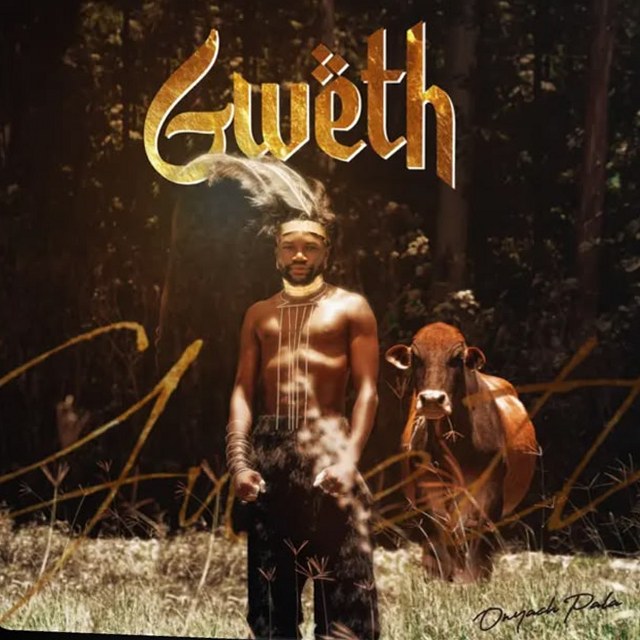
I Won’t Stop is the standout track on Gweth, the just released EP from Onyach Pala, and it features Njoki Karu. Four faces came to mind as I listened, four people in four different corners of Nairobi, each carrying something heavy while choosing to keep going. This review begins with them.
The Weight of Another Day
It is a dull grey morning in Nairobi. You have just left the house, hopefully in time for your 8 AM meeting with your supervisor. Between your 8 to 5, your master’s degree, your relationship and the demands of everyday life, you are learning to stretch every coin so you can make it through another day. Sometimes life is taken 20 minutes at a time. You make it to the next meeting, the next deadline, the next pay cheque, and you keep moving.
Across town, imagine a mother of three in Kangemi who is already well into her morning. She woke up at 4:40 AM to prepare breakfast before heading out to work as a house manager in Loresho. On the menu is uji with arrow roots for her children before they set off for school. She tops up their Dishi na County bands with KSh 100 each so they can have lunch and concentrate on their studies, because she wants her children to have opportunities that might otherwise remain beyond their reach. The children, still too young to understand the weight of that hope, smile and get on with their day. They are children, after all, so tomorrow remains an exciting possibility.
At Nairobi Hospital, picture a son standing outside the ICU after seeing his father admitted. The man he has always known as his source of strength is now at his most vulnerable. There is a particular kind of helplessness in watching someone you love fight through something you cannot fight for them. He steps out of the room, the tears come, and he asks what he can possibly give back to the man who has given him so much.
Elsewhere, someone has just been told that this will be their last month at their technology company. The organisation is restructuring, so their position is among those being cut. That leaves a car loan to service, savings to last them a few months at best, and a future that has suddenly become uncertain. The plans they had made are on hold, so the familiar question returns. Will the rat race ever end?
These are different people facing different circumstances and different battles. Yet beneath the exhaustion, the worry, the disappointment and the unanswered questions, something keeps each of them moving. That something is hope. It rarely arrives as the loud, triumphant kind that announces itself to the world.
Sometimes hope is simply getting out of bed again, making breakfast before sunrise, showing up for work, sitting beside a hospital bed or finding the courage to start again when the plans you made no longer exist. Hope is the quiet decision not to stop.
When the Music Finds You
Some songs entertain you, some make you dance, while others find their way into the spaces you rarely know how to articulate. This one is an embrace for the moments when life asks a little more of you than you think you have left to give.
The opening carries an unmistakable spiritual quality. The guitar comes in distinctively to lay a subtle foundation. The bass guitar follows to round out the arrangement without taking anything from the tempo or emotion at its centre. The harmonies then introduce the voices with a sound that is powerful, emotive and welcoming. There is no rush to overwhelm the listener.
Nimepigana na shetani, nitapigana na shetani mara ngapi?
Yale nimeona gizani, nimeshangaa na yale nimeona mi gizani
Ninatafuta imani, moyoni mwangu nimejawa na maswali,
Majaribu mengi ninashindwa, sitakubali kulemewa na shetani.
The phonetic texture of the opening verse meets the added rhythmic percussion in a striking interplay. The delivery gives the lyrics another layer of expression, offering a glimpse into defiance, strength and conviction. The words carry the weight of someone who has seen difficult things, wrestled with questions, yet remains unwilling to be overcome.
Nasonga mbele, nasonga mbele, I won’t stop trying.
Listening to it feels like walking into a room where people are already singing, only to find that there is a place for you among them.
The refrain rounds out that defiance with hope and reassurance, shifting from confronting what has been endured to declaring the intention to keep moving forward.
Onyach ushers us into the second verse with the conviction that he walks by faith rather than by sight. He reiterates that he will keep loving himself regardless of the circumstances, then pushes ahead as the chorus resumes.
The keys come in with a flair that recalls the way Aaron Rimbui seasons tracks. That touch carries a distinctly Kenyan jazz sensibility, adding colour and movement without disturbing the emotional character of the arrangement.
The ethereal Njoki Karu follows that interlude with the bridge, where the words,
Amini nami, sio mwisho wa safari, uko njiani, siku yako haiko mbali
carry the heart of the message. She gives us the ethos of the song, wrapped in the wisdom of generations.
There are those who lived before us, whose experiences and sacrifices made our journeys possible. There are those living alongside us, who breathe life into our everyday experiences, while others depend on us to keep pushing.
Then come the people we are yet to meet, generations from now, who will remember the values we carried and the character that made us who we are. They will find a little window into what life was like during our time, what we loved, who we loved, how we lived, how we forged the lives we led. The lives we lead are never entirely our own, because we inherit something, we contribute something, and we leave something behind.
Believe in yourself, because this is not the end of the journey. You are on your way, your day is not far away, and a moving man will always find his luck. There is something deeply reassuring about hearing those words delivered through music rather than reading them as advice. Music turns them into something you can hold on to, return to, or sing to yourself when the day gets a little heavier.
The Voices Behind the Hope
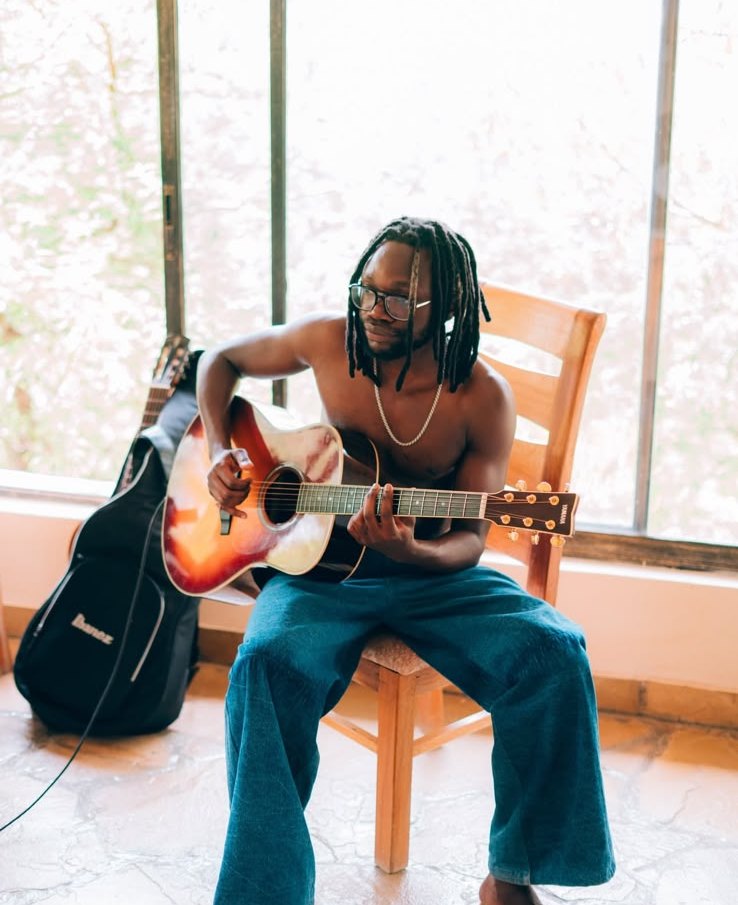
Njoki Karu takes me back to the harmonies that first made me fall in love with her timbre when she performed Omba during her days at Berklee College of Music. The warmth and character of her voice make it a joy to hear her return in this setting. Paired with Onyach Pala, the vocal combination gives the song a different dimension. A grounded baritenor meets a warm, smoky alto in an emotional conversation that feels larger than either voice on its own.

What I appreciate most is how naturally the voices sit together, with no unnecessary competition for attention. The lead vocals move through the arrangement while the layered harmonies give the impression of a strong 42-member choir, lending the record a remarkable sense of scale and collective presence. That relationship between the individual voices and the harmonies is what makes the song work. You hear two people expressing something deeply personal, while behind them a collective voice seems to say, we are here too, we understand, keep going.

The song becomes less of a performance and more of a fellowship of souls. That is where its spirituality grows most powerful, because the harmonies carry the message rather than merely decorating it.
This record will sit well among the communal singing spaces that have always been part of our musical culture. It also carries something of the choir version of Kuliko Jana. If that arrangement had a cousin, this would be it. It has the ingredients of the Kenyan sing-along jams that once travelled effortlessly between radio, karaoke sessions, family gatherings and social spaces, songs that needed no elaborate introduction because people already knew where to find themselves in the music.
The Things We Carry
What makes I Won’t Stop so relatable is that it belongs to no single age, income bracket, profession or circumstance. The student trying to make it through university, the parent sacrificing quietly, the person waiting for a medical update, the employee facing an uncertain future and the entrepreneur wondering whether the next month will finally bring a breakthrough can all find something in it.

We do not always choose the circumstances we find ourselves in, but we keep deciding what to do with the days that follow. Sometimes progress looks like a promotion, sometimes it is a child going to school with a full stomach, sometimes it is another day beside someone you love, while sometimes it is simply finding the strength to wake up, then trying once more. A bad day does not mean a bad life.
That is the beauty of this song, because it promises no easy road and no difficulty that disappears by tomorrow. It reminds us instead that the journey is still unfolding, so the chapter we are living today does not have to be the final one.
Why This Is Our Song of the Week
At Uratibu, we believe that music is more than entertainment, because it is a cultural asset, a form of expression, and, at its best, a way through which people recognise parts of themselves in the experiences of others.
I Won’t Stop is a reminder of what happens when powerful songwriting, thoughtful arrangement and compelling voices come together around a message people can carry into their everyday lives. As the standout of Gweth, it gives us a strong reason to listen to the rest of the project.

Onyach Pala and Njoki Karu have given us a song personal enough to sit with you in your quietest moments, yet expansive enough to be sung by a room full of people. It reminds us that the journey belongs to each of us, while the courage to keep going is something we can share.
The mother in Kangemi will wake up tomorrow to prepare breakfast again before making the journey to Loresho. The son will hope for better news from the hospital. The employee will begin to consider what comes next, while the person rushing to that 8 AM meeting will find another 20 minutes to make it through. Their circumstances may not change overnight, but they will find a little more strength in the morning.
That is the beauty of music, because it cannot always change what we are going through, yet it can change how we find the strength to face it. Tomorrow may not arrive with all the answers, but we can meet it with a little more courage than we had today.
Twasonga mbele. We shouldn’t stop trying.
What song has carried you through a difficult season of your life? We would love to hear the story behind it.