
The Power Play Summit, hosted by Nawiri Sports Management, brought together athletes turned entrepreneurs, brand leaders and digital strategists to discuss how sport can be run as a sustainable business. Across the morning and afternoon sessions, three ideas returned again and again. Authenticity is what audiences and sponsors respond to. The window for earning from sport is short and has to be used deliberately. And digital presence is the channel through which both of those come together.
This piece records what each speaker said, draws out the common themes, and closes with the questions the summit left open.
Two Years to a Full-Time Job
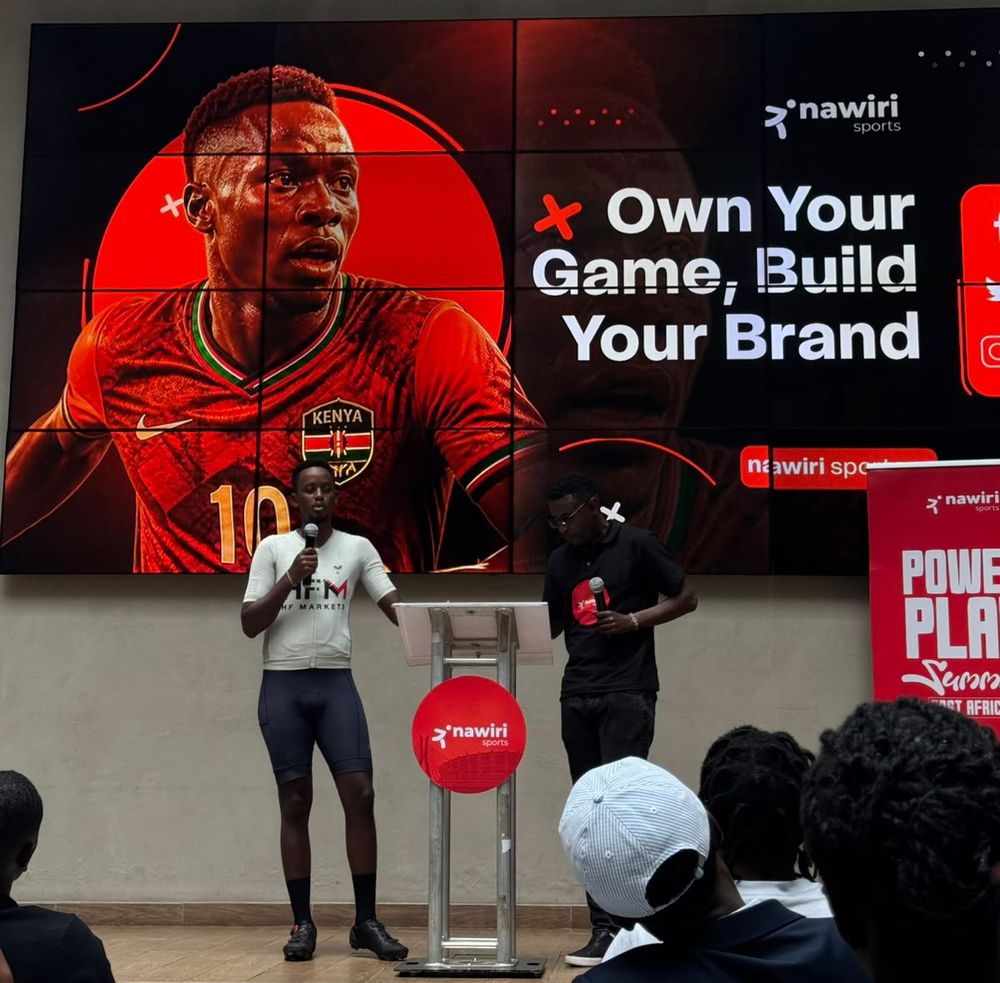
Skimo Njoro shared his journey into content creation, and the detail that mattered most was the timeline. It took two years for the work to become a full-time job, and multiple brands now collaborate with him. The summit’s theme, Own Your Game, Build Your Brand, was on the screen behind him, and his story put a number on what building a brand actually costs in time.
Sell the Idea, Not the Transaction
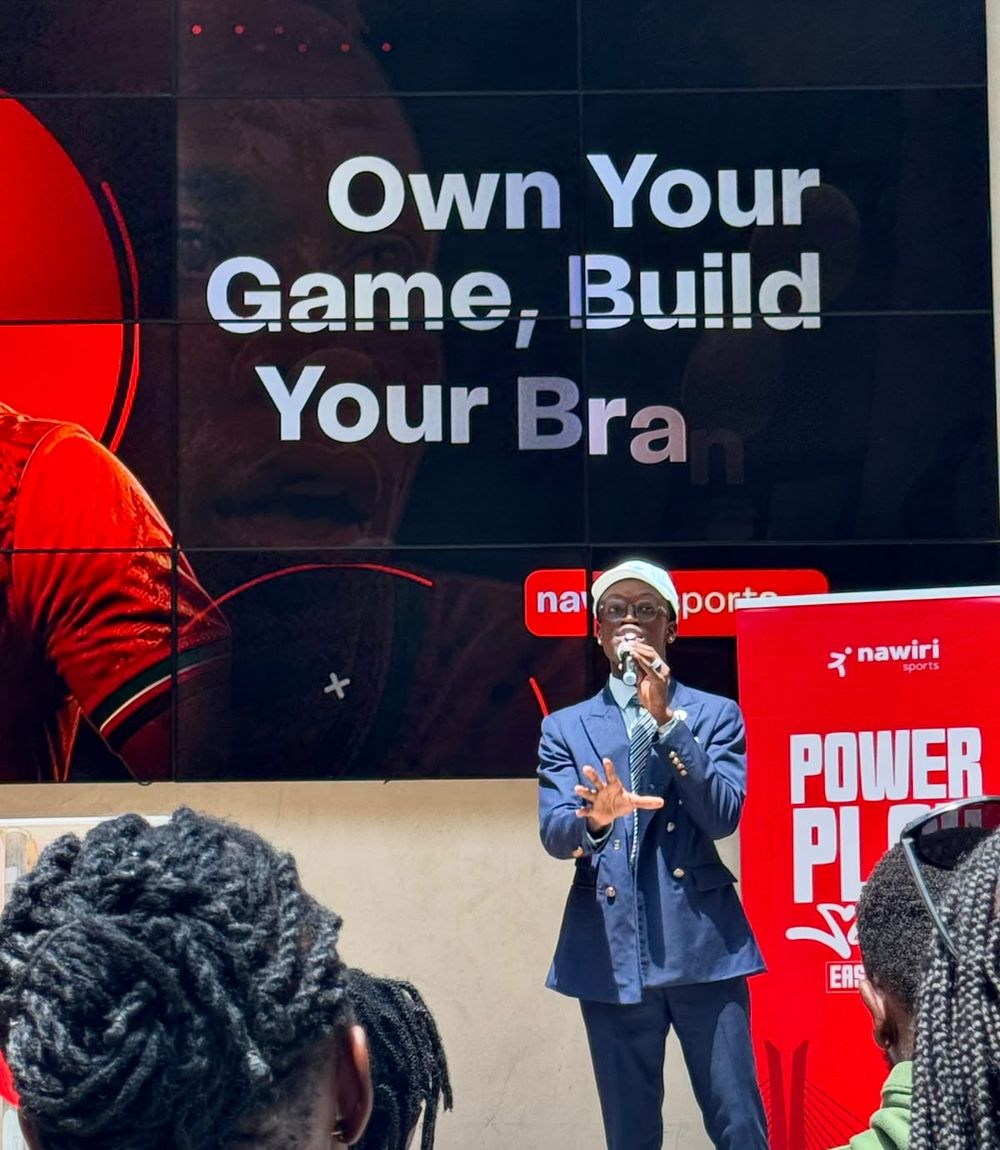
Shawn Dalmas, of Dalmas Creations and The Empowerment Network Africa, moved into the sports industry straight after high school. He did so for the love of the game, and the income followed as a result of that commitment. His talk centred on making time for the work, communicating well, looking after himself and staying on top of the game.
He was asked what the biggest mistake is that brands make when marketing opportunity or success to young Kenyans, given that Gen Z in emerging markets is driven more by side hustles and digital entrepreneurship than by traditional career paths. His answer was direct. The industry tends to adopt a condescending tone and to treat young people as though they do not matter. Most brands think in the same way, with return on investment and brand visibility as the main concerns. Gen Z, he argued, wants to be sold an idea, and it is that idea which lights the ember of engagement.
Whether the same applies across generations and across athletes remains to be discovered. There is clearly a gap in understanding what matters to each generation, and it is a gap that brands and the sports industry both need to address.
Authenticity Sells
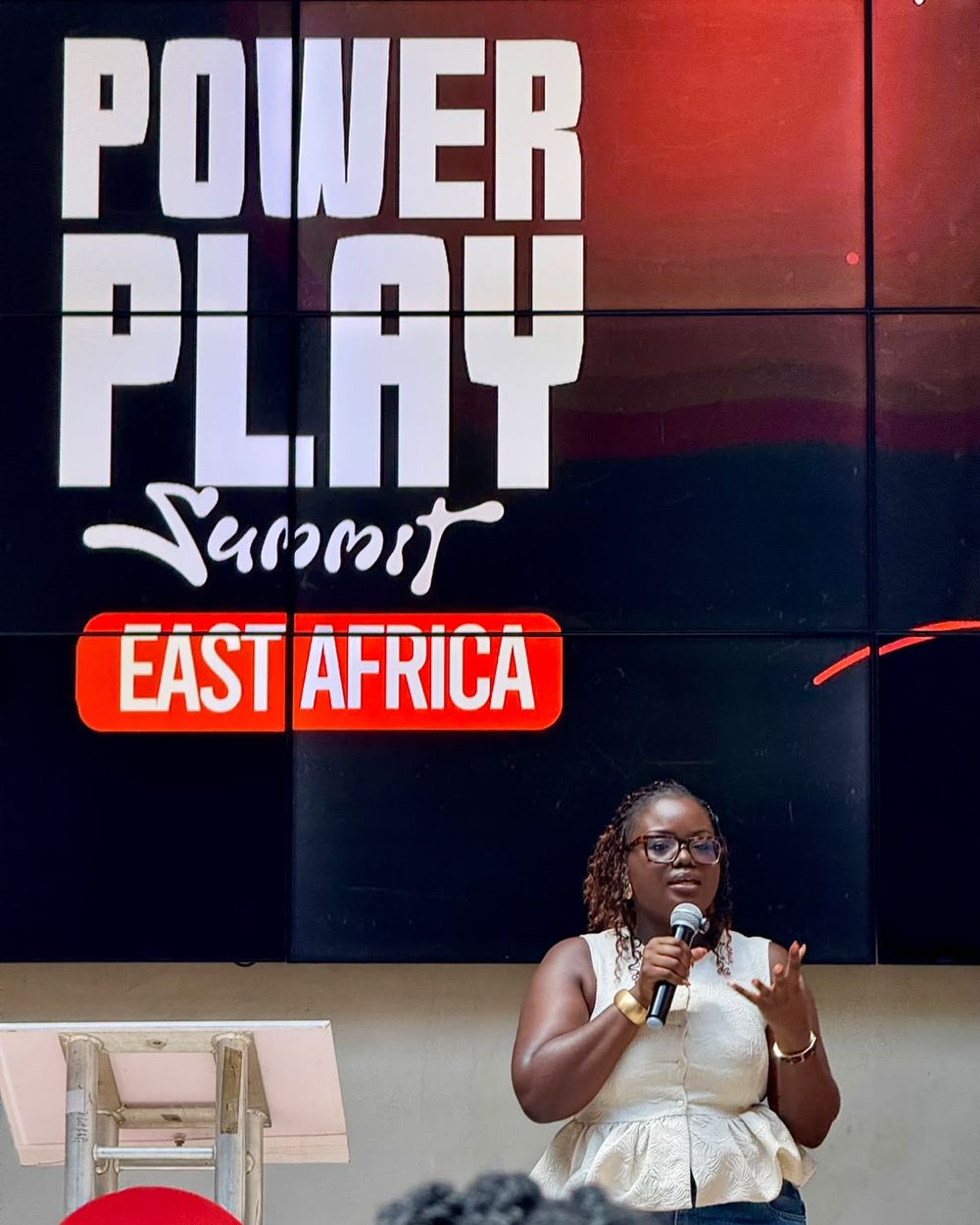
Grace Ndiege, Digital Lead at EABL, made the case that authenticity sells, because an authentic story is the one people buy and connect with. Across all sports, the connection an athlete builds with an audience is what drives brand sponsorship, and the same holds across industries.
Her advice to athletes was to be bold and to go for glory. Once people see someone doing more and showing up in more places, they become attracted to that person and attentive to what they have to say. That attention is what opens the door to the rooms where impressive offers are made.
Your Sport Is a Business, and Digital Is the Shop Window
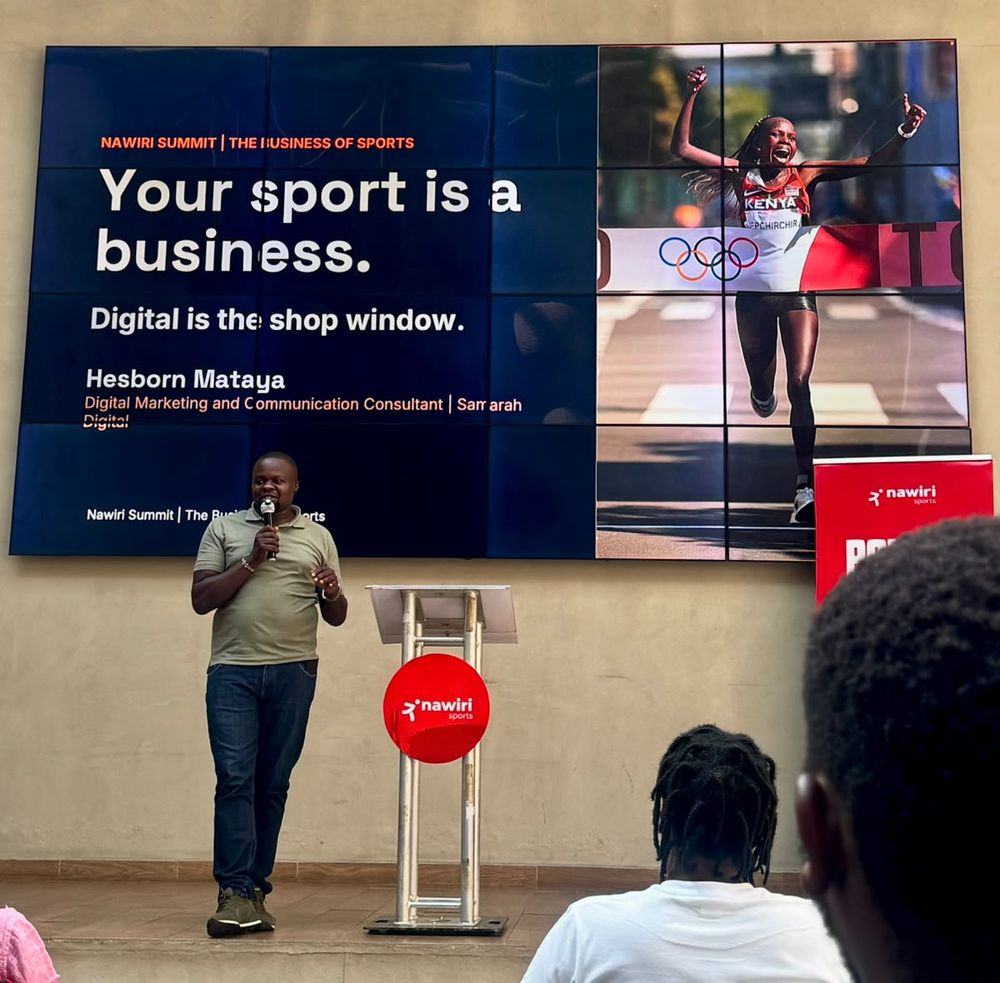
That was the title of the afternoon talk by Hesborn Mataya, a digital marketing and communication consultant at Samarah Digital. His central argument was that sport has a shelf life, and that the window can close very quickly for anyone who does not pivot into something commercially sustainable.
He grounded this in his own experience. He studied at Daystar University from 2011 and played for the Kenya Sevens, with his last game in 2015. He suffered a head injury going up for a lineout, having only just played the Cape Town leg of the HSBC Sevens circuit. He was fortunate to be taken to hospital because he had medical insurance, and after scans he was advised to take three months off. Because he was still in school, he was able to pivot. He left the game at 25 and moved into management and coaching, where he now nurtures the talent of today.
From that experience he speaks on professionalising sport and on the finite window that athletes have to use before time runs out. He urged athletes to understand their own strengths and how sport fits into them. In his view authenticity is the currency of the day, and brands want to capitalise on it because it is where real connection happens. Campaigns run on people and feed on people.
Nawiri Sports and the Wider Outlook
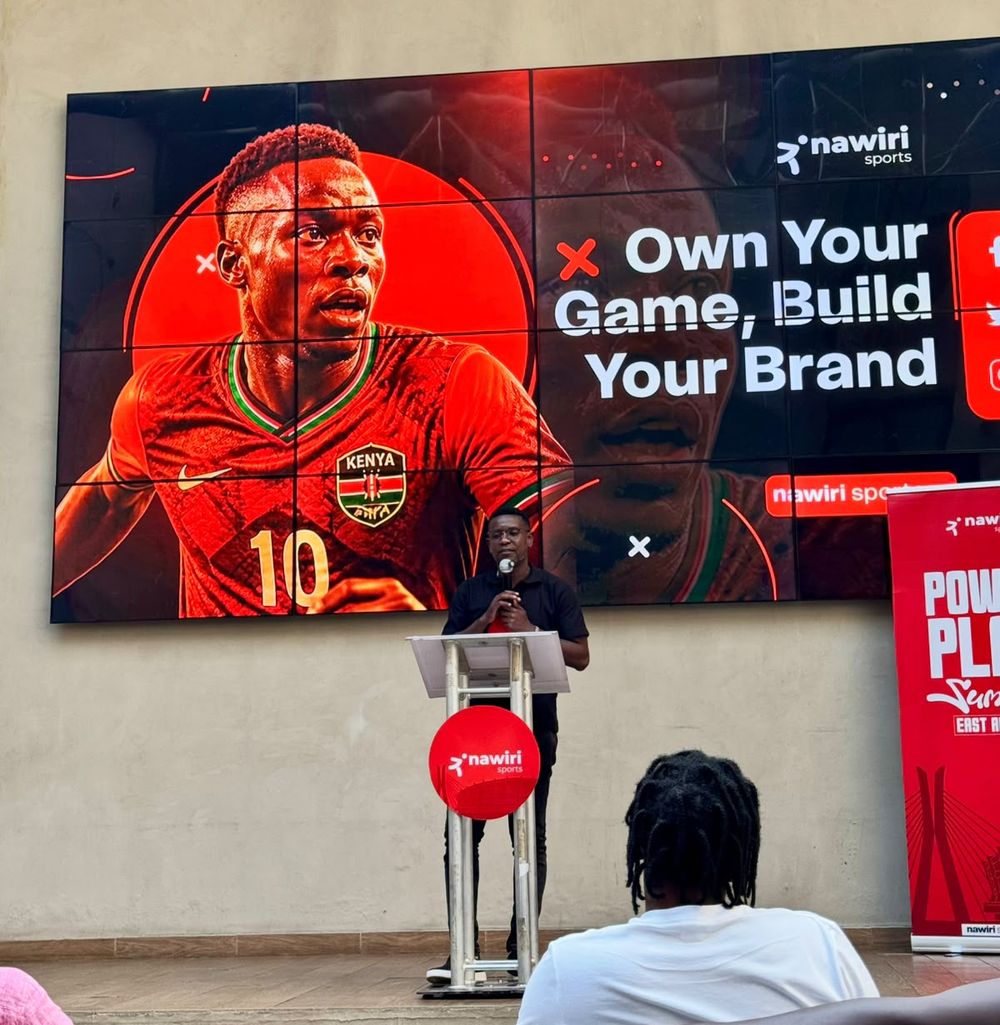
Lotan of Nawiri Sports closed the summit with remarks on the future of the sports economy and the opportunities available to athletes. Nawiri Sports is gearing up to change the narrative from the ground level and to reactivate the national conversation on sport. The summit pointed to a renaissance of Kenyan sport, with a return to glory across rugby, football and athletics, as well as in niche disciplines such as tennis, skating and fencing.
Five Themes
- Authenticity is the currency. Dalmas, Ndiege and Mataya each placed genuine connection ahead of polish, and tied it directly to sponsorship value and to the way campaigns perform.
- Brands must sell ideas to a younger audience. Dalmas argued that return on investment and visibility alone do not engage Gen Z, which fits Ndiege’s point that people buy stories.
- The earning window in sport is short. Mataya’s own career ending at 25 is a concrete example of why athletes need a plan beyond competition.
- Visibility opens doors. Ndiege and Mataya both treated digital presence as the means by which athletes become commercially relevant, whether through offers from brands or through a sustainable career after play.
- Kenyan sport is on the rise. The broad renaissance across major and niche sports creates a growing base of stories, athletes and audiences.
What We Take From It
The following is our own reading of the sessions, offered for discussion rather than as settled conclusions.
Storytelling about sport should lead with the idea and the person, and treat reach and visibility as outcomes of that approach rather than as its purpose. The post-career pivot deserves far more attention than it gets: Mataya’s journey shows that athlete transition and commercial sustainability are one subject, and that the planning has to begin while the athlete is still competing. And the renaissance in Kenyan sport, niche disciplines included, is a story best told by tracking the data alongside the human stories behind it.
Open Questions
- Does the preference for ideas over transactional messaging hold across older generations and across athletes, or is it specific to Gen Z? It could be tested with audience data on what different age groups value in sport and in brand messaging.
- Which data sources sit behind the observation of a renaissance in Kenyan sport, and can they be made available so that the claim can be measured?
- What form will the Nawiri Sports effort to reactivate the national conversation take, and who will contribute to it?